Why Aligner Sheets Deserve More Attention Than They Get
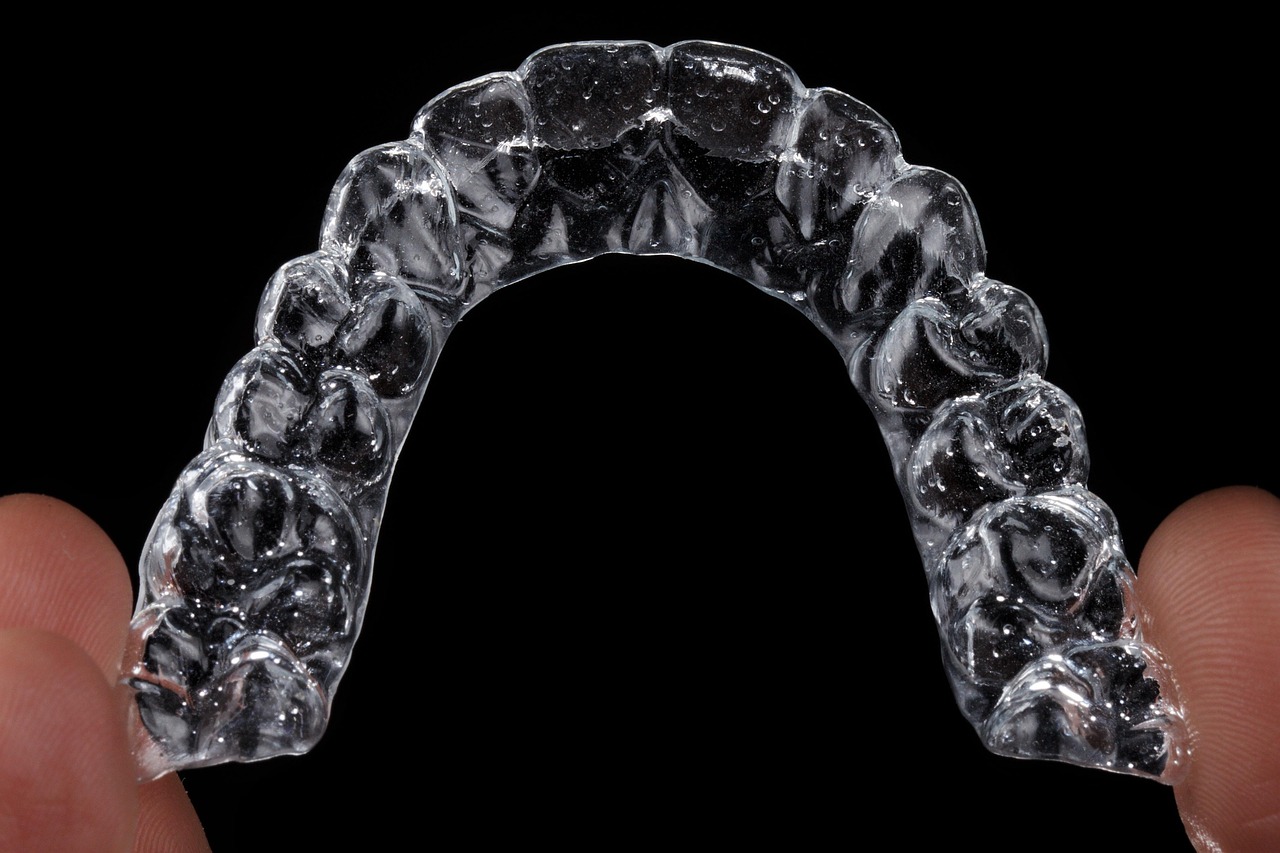
Hold aligner sheets up to the light. It looks like nothing, a clear disc you could mistake for packaging. A typical aligner sheet is very thin. Approximately 0.75mm. That thin sheet is asked to move teeth and hold its shape in the mouth, stay transparent for two weeks, and survive being taken in and out of a mouth dozens of times. That is a lot to ask of a thin sheet of plastic.
Start with the material
Aligner sheets can be made of different materials. PETG and related copolyesters are common because they form cleanly and stay transparent. Thermoplastic polyurethane is softer and more elastic, which changes how force is delivered. In multilayer sheets, a stiff layer is bonded to a softer one, and we get both behaviours at once. Each approach has its advantages, and there is not one clear winner. Hence, it is best to lead with the question of what the intended use of the appliance is.
The aligner sheet should never be treated as a commodity line item. It is not something that you can buy and start forming into appliances. Two aligner sheets that look identical on a spec sheet can behave differently once heated, stretched and worn. If you are buying based on only a few of the qualities, you are guessing.
Thickness is a trade, not a setting
An aligner sheet that is 0.75 mm thick does not stay 0.75 mm thick. When it is heated and drawn over a model, the plastic stretches, and it thins most over the sharp features. It is usually the cusp tips and incisal edges, exactly where fit matters. Thicker starting stock generally means stiffness and more force. It also means bulk, more perceived pressure and sometimes a harder time seating. Thinner aligner sheets are gentler and flexible. But on the downside, they can lose their shape sooner and aren’t able to exert enough force.
Patients feel this directly. Too stiff and they complain about pressure. Too soft, they wonder whether anything is happening. Labs usually settle on a standard gauge and then adjust by case. Check what your own protocol calls for, rather than trusting a rule of thumb. It is important to see what your workflow needs and then decide on a sheet instead of going with what’s bought the most.
Forming is half the story
You can buy thermoforming sheets and still ruin them on the machine. Heating it to a lower temperature leaves residual stress that can show up later as warping. Heating it too high can thin the aligner sheet unevenly or cloud it. Pressure forming, which pushes the plastic against the model, tends to capture finer details than vacuum alone, though the equipment costs more and the trade-offs vary.
The manufacturer’s data sheet is the place to look for recommended heating and cooling parameters. Follow it. Guessing the temperature is how a good batch becomes a bad one. For lab technicians, consistency is the virtue. An aligner sheet that forms the same way in October as it did in March saves hours of remakes. For clinicians, that shows up as fewer refinements. For patients, it just feels like the thing fits.
What happens once it is in the mouth
This is where patients come in. The mouth is warm, wet and chemically busy. Plastics can absorb a small amount of water, and they relax under constant load. This means the force an aligner applies is highest in the beginning and tapers off. That is one reason the new tray feels tighter than one worn for a week.
Staining and clouding are the usual complaints. Coffee, tea and red wine are the suspects, and so is a tray worn without cleaning. Patients are generally told to wear aligners around 20 to 22 hours a day and to take them out for eating and drinking anything but water.
Any deviations from these instructions can affect the results. Either the aligners become stained or cracked if not removed when eating or drinking, or if not worn for the recommended duration leads to an increase in the total treatment duration.
A few questions worth asking your supplier
- Ask for the material’s composition and thickness tolerance.
- Ask for the biocompatibility documentation and the regulatory status for your market.
- Ask how the aligner sheet is meant to be formed.
- Ask what the tested conditions are, like a real mouth, not just a lab bench.
None of this requires a materials science degree. If the answers come back vague, that tells you something.
Also read: Straight Teeth Without Braces: A Guide to Tooth Aligners
Aligner sheets rarely get the credit. Nobody posts a photo of the plastic. When a case tracks well, or not, the disc you started with is already part of the story. The best fitting tray you have seen this year started as this: flat, clear and easy to overlook. So, what do you know about yours?