Dental Crown Types, Procedure, Cost, Benefits, and Care
A dental crown is a custom-made covering that fits over a damaged, weak, or heavily restored tooth. Dentists use crowns to protect teeth, improve appearance, restore chewing ability, and support long-term oral health. Crowns can closely match the shape, size, and color of natural teeth, which makes them useful for both functional and cosmetic treatment.
People may need crowns after tooth decay, fractures, root canal treatment, or severe wear. Modern dentistry offers several crown materials, and each option provides different benefits in terms of strength, appearance, durability, and cost.
What Is a Dental Crown
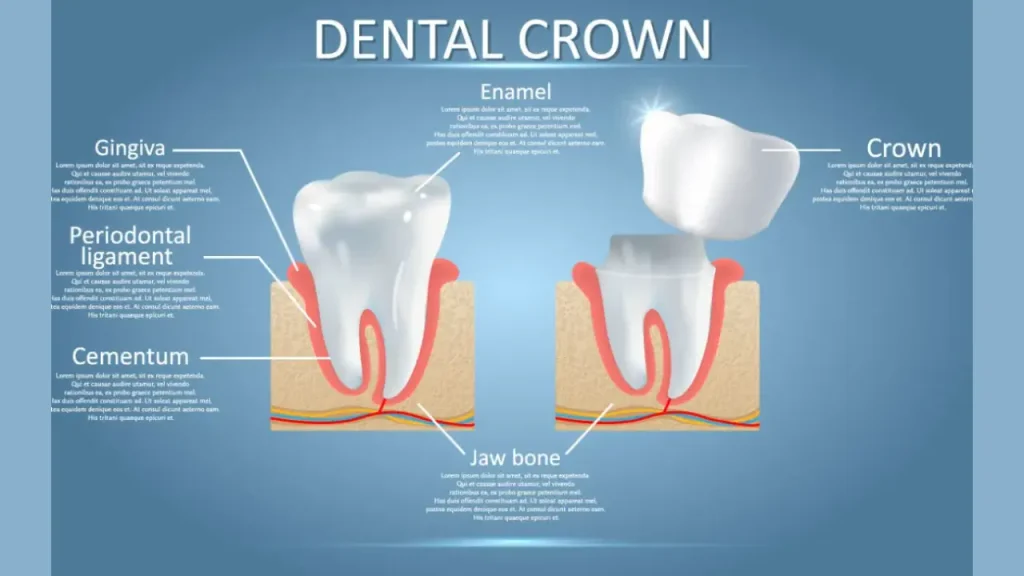
A dental crown is a cap that completely covers the visible part of a tooth above the gum line. Once placed, it becomes the new outer surface of the tooth and helps restore its normal shape and function.
Dentists usually recommend crowns when a filling cannot provide enough support. A crown can strengthen a damaged tooth, improve its appearance, and help distribute biting pressure more evenly.
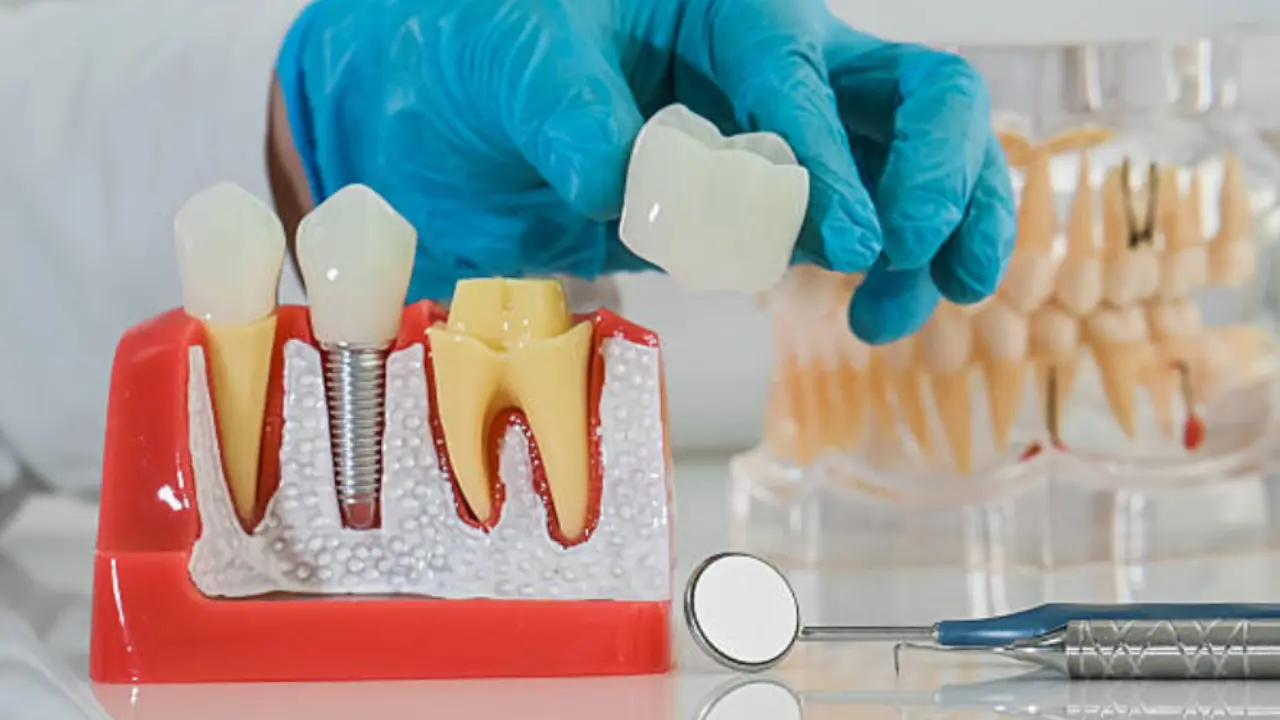
Crowns are also commonly placed on dental implants. In that case, the crown acts as the visible replacement tooth while the implant remains secured inside the jawbone.
Why Do Dentists Recommend Crowns?
Dentists recommend crowns for several reasons. A severely damaged tooth may become too weak to function safely without extra protection.
A crown may be recommended for a tooth that has a large filling, deep decay, cracks, or significant wear. It can also protect a tooth after root canal treatment because such teeth may become more fragile over time.
Crowns can also improve the appearance of badly shaped, discolored, or uneven teeth. In cosmetic dentistry, they may help create a more balanced smile when other treatments are not suitable.
Chestnut Hills Dental Services, Costs, And Oral Health Care
Types of Dental Crowns
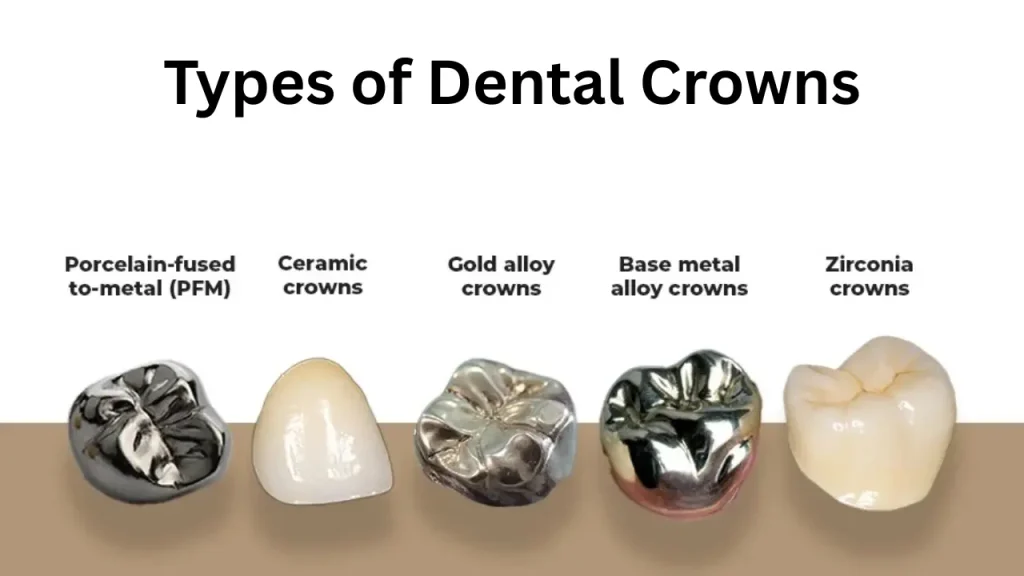
A dental crown can be made from different materials. The right choice often depends on the tooth’s location, biting forces, cosmetic goals, budget, and the dentist’s recommendation.
Porcelain Crowns
Porcelain crowns provide a natural appearance because the material can closely match the color and shine of real teeth. Dentists often use them for front teeth where appearance is especially important.
Porcelain can provide excellent cosmetic results, although some types may be less resistant to heavy biting forces than metal-based alternatives.
Ceramic Crowns
Ceramic crowns are another tooth-colored option. Modern dental ceramics can offer both attractive appearance and good strength.
Dentists may use ceramic crowns on front or back teeth, depending on the specific material and the patient’s bite.
Porcelain-Fused-to-Metal Crowns
Porcelain-fused-to-metal crowns combine a metal base with a tooth-colored porcelain covering. The metal provides strength while the porcelain improves appearance.
These crowns have been used for many years, although a dark line may sometimes become visible near the gum if the gum tissue recedes.
Bonded Dental Bridges Types, Benefits, Procedure And Care
Metal Crowns
Metal crowns can contain alloys made from materials such as gold or other metals. They offer excellent strength and can withstand significant chewing pressure.
Because of their metallic appearance, dentists usually place them on back teeth where they are less visible.
Zirconia Crowns
Zirconia has become a popular crown material because of its strength and attractive appearance. It can tolerate strong biting forces while still looking relatively natural.
Many dentists use zirconia for molars and other teeth that need a combination of durability and aesthetics.
Dental Crown Procedure
Getting a dental crown usually requires the dentist to examine and prepare the affected tooth before placing the final restoration. Traditional crown treatment commonly involves more than one appointment, although some dental clinics offer same-day crown technology.
During the first visit, the dentist may take X-rays and examine the tooth to check for decay, infection, or damage. Any existing decay must usually be removed before crown preparation begins.
The dentist then reshapes the tooth so the crown can fit properly. Local anesthesia is commonly used to reduce discomfort during this process.
After preparation, the dentist takes an impression or digital scan of the tooth. A dental laboratory may use this information to create the permanent crown.
A temporary crown may protect the prepared tooth while the final crown is being made. At the next appointment, the dentist removes the temporary crown and checks the permanent restoration for fit, bite, shape, and appearance.
Once everything looks correct, the dentist bonds or cements the crown onto the prepared tooth.
How Long Does a Crown Last?
A crown can often last many years when patients maintain good oral hygiene and avoid habits that place excessive pressure on their teeth.
The lifespan depends on several factors, including crown material, bite strength, tooth position, oral hygiene, and personal habits. Grinding or clenching the teeth can increase wear and may damage crowns over time.
Regular dental examinations allow dentists to check the crown and surrounding gum tissue. Early detection of problems may prevent more serious complications.
Benefits of Getting a Dental Crown
A dental crown can provide several functional and cosmetic benefits. One of its main advantages is strengthening a tooth that has become weak because of decay, cracks, or large fillings.
Crowns can also restore normal chewing ability. Damaged teeth may cause discomfort when biting, while a properly fitted crown can help improve function.
Another major advantage is appearance. Tooth-colored crowns can cover discoloration, irregular shapes, and visible damage while blending with nearby natural teeth.
Crowns can also protect treated teeth from additional fracture or deterioration. This protection can help preserve a natural tooth that might otherwise require extraction.
Possible Risks and Problems
Most crown procedures are successful, but complications can occasionally occur. Patients should understand possible problems so they know when to contact their dentist.
Some people experience temporary sensitivity to hot or cold foods after crown placement. This usually improves, but persistent sensitivity should receive professional evaluation.
A crown may also feel uncomfortable if the bite is too high. Dentists can usually correct this problem by adjusting the crown.
In some cases, a crown can become loose or damaged. Decay may also develop around the edge of the crown if plaque builds up near the gum line.
Good brushing, flossing, and regular dental visits can reduce these risks.
How Much Does a Crown Cost?
The price of a dental crown varies widely depending on location, crown material, dental clinic, laboratory fees, and the complexity of treatment.
Porcelain, ceramic, zirconia, and metal crowns may have different prices. Additional procedures such as root canal treatment, core buildup, or treatment for gum problems can increase the total expense.
Dental insurance may cover part of the cost when a crown is medically necessary. Cosmetic crown treatment may receive less coverage or no coverage, depending on the insurance plan.
Patients should ask their dental clinic for a detailed estimate before beginning treatment.
Crown vs Filling
Fillings and crowns can both repair damaged teeth, but dentists use them in different situations.
A filling replaces a smaller area of tooth structure that has been affected by decay or minor damage. The dentist removes the damaged area and fills the space with a restorative material.
A crown covers most or all of the visible tooth. Dentists generally choose crowns when too much natural tooth structure has been lost for a filling to provide reliable support.
| Feature | Crown | Filling |
|---|---|---|
| Coverage | Covers most of the visible tooth | Repairs a smaller damaged area |
| Common Use | Severe damage or weakness | Mild to moderate decay |
| Strength | High protection | Suitable for smaller repairs |
| Treatment Time | Often more than one visit | Usually one visit |
| Cost | Usually higher | Usually lower |
How to Care for a Crown
A dental crown does not require a complicated cleaning routine, but good oral hygiene remains essential. Patients should brush their teeth at least twice a day with fluoride toothpaste and clean between their teeth regularly.
Special attention should be given to the area where the crown meets the gum. Plaque can collect around this edge and increase the risk of gum disease or decay in the remaining natural tooth.
People should also avoid chewing hard objects such as ice, pens, or hard candy. These habits may crack or damage certain crown materials.
Patients who grind their teeth at night may benefit from a protective night guard recommended by their dentist.
Foods to Avoid After Crown Placement
Patients may need to be careful with certain foods, especially while wearing a temporary crown. Sticky foods can pull temporary restorations loose, while very hard foods may cause damage.
Chewing on the opposite side of the mouth may help protect a temporary crown. Patients should follow the specific instructions provided by their dentist because recommendations can vary.
Once a permanent crown is securely placed, most people can return to a normal diet.
When Should You Contact a Dentist?
Dental discomfort should not be ignored if it continues or becomes severe. Contact a dentist if a crowned tooth develops persistent pain, swelling, unusual sensitivity, or discomfort during biting.
Patients should also seek dental care if a crown becomes loose, falls off, cracks, or feels different when chewing.
Never permanently glue a loose crown at home using household adhesive. A dentist needs to examine the tooth and determine whether the crown can be reattached or requires replacement.
How to Make a Crown Last Longer
Daily care plays a major role in crown durability. Regular brushing removes plaque, while flossing helps clean areas that a toothbrush may not reach.
Routine dental checkups are equally important. Dentists can inspect the crown, gum line, bite, and surrounding teeth for early signs of problems.
Avoiding smoking, excessive sugary foods, teeth grinding, and chewing hard objects can also support better oral health and crown longevity.
Frequently Asked Questions
Is getting a crown painful?
Dentists usually use local anesthesia while preparing the tooth, so patients should not feel significant pain during treatment. Mild soreness or sensitivity may occur afterward and usually improves with time.
Can a crown get cavities?
The crown material itself cannot develop tooth decay, but the natural tooth underneath can still develop cavities. Good brushing and flossing around the crown margin are therefore important.
Can a crown fall off?
Yes. A crown can occasionally become loose because of damaged cement, decay, trauma, or strong biting forces. Patients should contact a dentist promptly if this happens.
Does a crown look like a natural tooth?
Modern ceramic, porcelain, and zirconia crowns can closely resemble natural teeth. Dentists carefully select the shade, shape, and size to help the restoration blend with surrounding teeth.
Conclusion
A dental crown can restore strength, appearance, and function to a tooth that has become damaged or weakened. Crowns come in several materials, including porcelain, ceramic, metal, zirconia, and porcelain-fused-to-metal, allowing dentists to choose an option based on each patient’s needs.
Good oral hygiene, regular dental examinations, and healthy chewing habits can help crowns remain functional for many years. Anyone experiencing severe tooth damage, cracks, large fillings, or problems after root canal treatment should speak with a qualified dentist to determine whether a crown is the right treatment.