
Bonded Dental Bridges Types, Benefits, Procedure And Care
Missing teeth can affect your smile, speech, and ability to chew food comfortably. Bonded dental bridges offer a less invasive way to replace certain missing teeth while keeping much of the natural tooth structure intact. Dentists often consider this option when a patient needs to replace one missing tooth, especially in the front of the mouth.
Unlike a traditional bridge, a bonded bridge usually does not require extensive reshaping of the neighboring teeth. Understanding how it works, its benefits, limitations, and care needs can help patients discuss the right treatment with their dentist.
What is a Bonded Dental Bridges
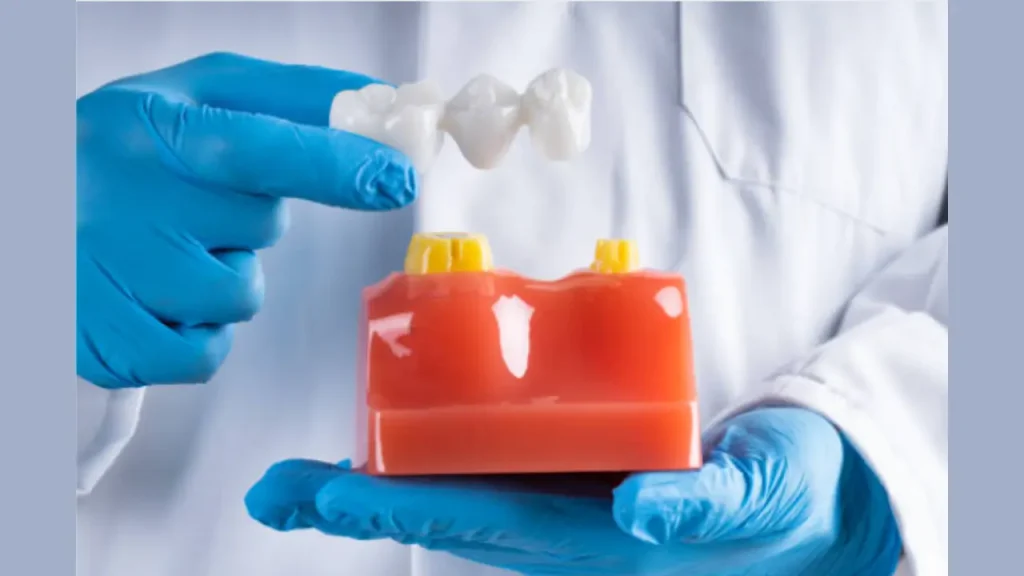
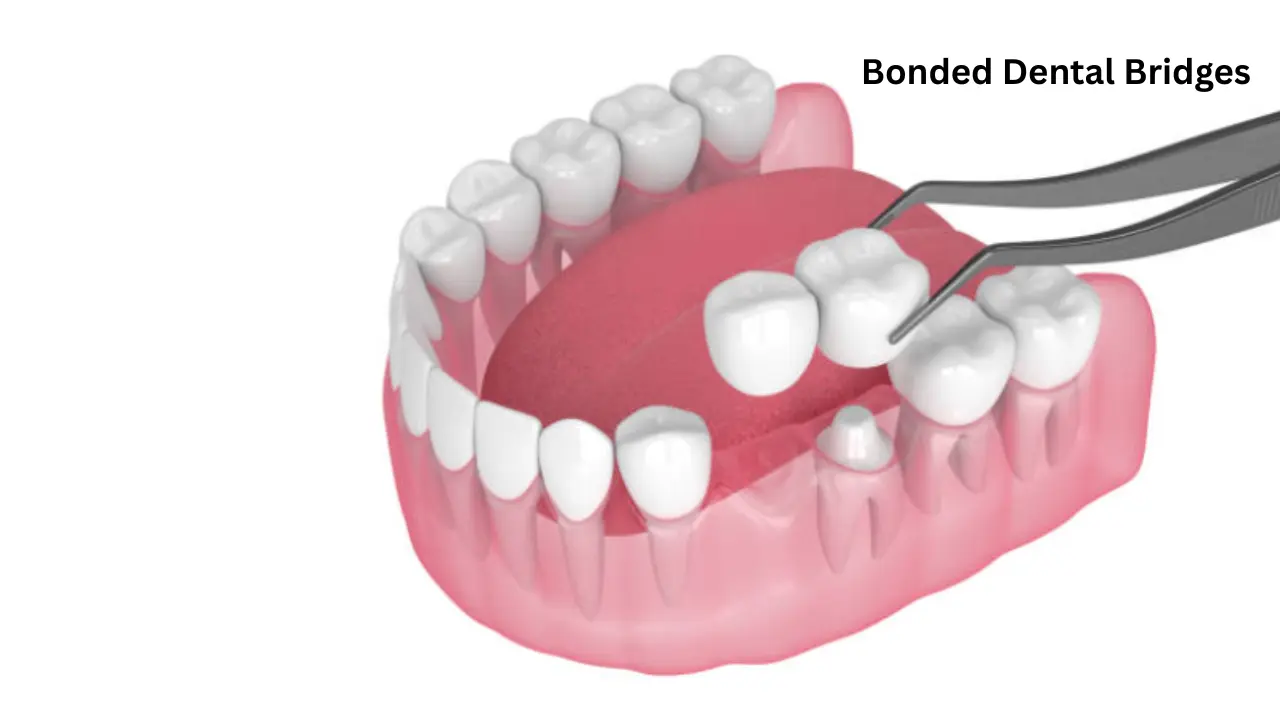
Bonded dental bridges are fixed dental restorations used to fill a gap left by a missing tooth. They usually consist of an artificial replacement tooth, called a pontic, attached to thin wings that bond to the back surfaces of nearby natural teeth.
This design is commonly known as a resin-bonded or Maryland bridge. The supporting wings may be made from metal, ceramic, or other dental materials. Because the bridge is bonded rather than supported by full crowns, dentists can often preserve more healthy enamel.
How Do Bonded Dental Bridges Work?
The success of bonded dental bridges depends on creating a strong connection between the restoration and the supporting teeth. The dentist first examines the gap, nearby teeth, bite, gums, and overall oral health.
The dentist prepares the supporting tooth surfaces if needed. Preparation is usually minimal compared with a conventional bridge. An impression or digital scan may then be taken so a dental laboratory can create a bridge that fits the patient’s mouth.
Once ready, the dentist checks its shape, appearance, and bite before bonding it into place with dental cement or resin.
Why No Dairy After Dental Implant Reasons And Foods To Eat
Benefits of a Bonded Dental Bridge
One major advantage of bonded dental bridges is the conservative treatment approach. Traditional bridges may require significant removal of enamel because the neighboring teeth need crowns. A bonded design usually requires much less alteration.
Treatment can also be relatively straightforward. Patients do not need dental implant surgery, which may make this option useful for people who are not suitable candidates for an implant or prefer a non-surgical restoration.
A well-designed bridge can also improve the appearance of a smile and help restore normal speech and biting function.
| Feature | Bonded Bridge |
|---|---|
| Main purpose | Replace a missing tooth |
| Tooth preparation | Usually minimal |
| Surgery required | No |
| Common location | Front teeth |
| Support | Neighboring natural teeth |
| Restoration type | Fixed |
Who May Be a Good Candidate?
Not every patient is suitable for bonded dental bridges. Dentists generally look for healthy supporting teeth with enough enamel to provide a strong bonding surface.
They also consider the patient’s bite. Heavy biting pressure, teeth grinding, or an unfavorable bite may place excessive stress on the bridge and increase the chance of it becoming loose.
Gum health is another important factor. Gum disease and untreated tooth decay should normally be managed before placing a permanent dental restoration.
Brasssmile Com Purpose, Safety, And Access
Bonded Dental Bridges Cost
The cost of bonded dental bridges can vary based on the bridge material, number of missing teeth, dentist’s fees, and location of the dental clinic. In the United States, a resin-bonded or Maryland-style bridge may generally cost around $1,500 to $3,500 for a typical single-tooth restoration before insurance, although actual fees can fall outside this range.
Extra treatments can increase the total price. Dental examinations, X-rays, treatment for tooth decay, or gum care may be required before the bridge is fitted. Dental insurance may cover part of the treatment when the bridge is considered medically necessary, but coverage varies by plan.
| Dental Bridge or Service | Estimated Price (USD) |
|---|---|
| Resin-bonded/Maryland bridge | $1,500–$3,500 |
| Traditional dental bridge | $2,000–$5,000+ |
| Cantilever dental bridge | $2,000–$5,000+ |
| Implant-supported bridge | $5,000–$15,000+ |
| Dental examination | $50–$200 |
| Dental X-rays | $25–$250+ |
| Professional cleaning | $75–$200+ |
Types of Bonded Dental Bridges
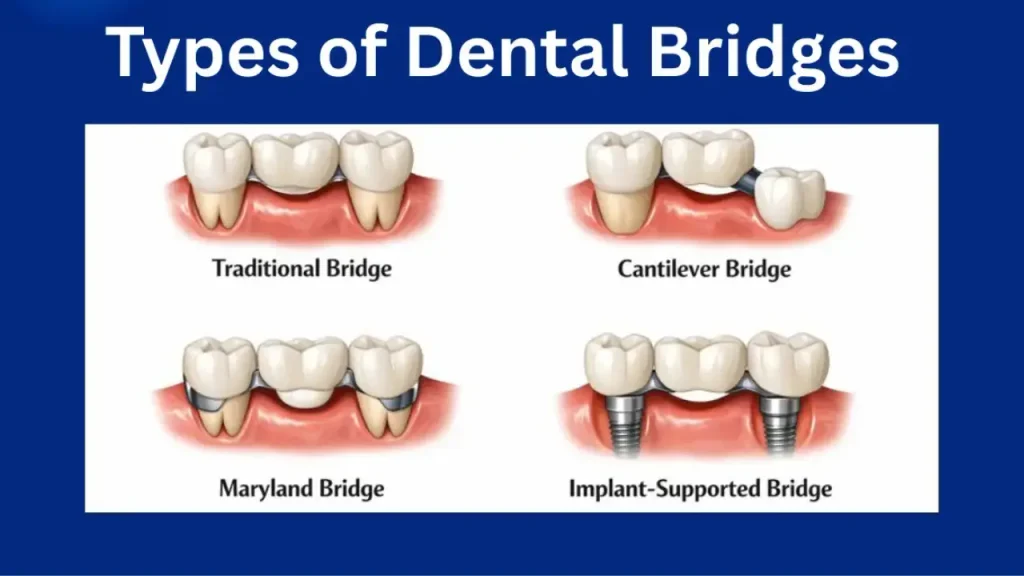
Bonded dental bridges come in several designs and materials. A dentist chooses the most suitable type based on the location of the missing tooth, bite pressure, appearance, and condition of the supporting teeth.
| Type | Main Material/Design | Common Use | Key Feature |
|---|---|---|---|
| Maryland Bridge | Metal or ceramic framework | Front teeth | Wings bond behind nearby teeth |
| Resin-Bonded Bridge | Resin cement with supporting wings | Single missing tooth | Requires minimal tooth preparation |
| Ceramic-Bonded Bridge | All-ceramic material | Visible front teeth | Natural tooth-colored appearance |
| Fiber-Reinforced Bridge | Fiber-reinforced composite | Selected temporary or conservative cases | Metal-free design |
| Single-Wing Cantilever Bonded Bridge | One supporting wing | Often a single front tooth | Bonds to only one neighboring tooth |
Maryland Bonded Bridge
A Maryland bridge is one of the best-known bonded bridge designs. It contains an artificial tooth connected to one or more thin wings that a dentist bonds to the back of supporting teeth.
Ceramic-Bonded Bridge
Ceramic designs focus on appearance because the material can closely match natural teeth. Dentists may consider them for visible areas where aesthetics are especially important.
Fiber-Reinforced Composite Bridge
A fiber-reinforced bridge combines strong fibers with tooth-colored composite material. Dentists may use this conservative option in selected cases, including some temporary or intermediate tooth replacements.
Single-Wing Bonded Bridge
A single-wing design attaches the replacement tooth to only one supporting tooth. In carefully selected cases, this design can reduce stress caused by differences in the movement of two supporting teeth.
The best type of bonded dental bridge depends on the patient’s individual dental condition. A dentist needs to assess the supporting enamel, bite, missing-tooth position, and oral health before selecting a design.
Bonded Bridge vs Traditional Dental Bridge
Traditional bridges commonly use crowns on teeth located on both sides of the gap. These crowns provide strong support, but preparing them usually requires removing some healthy tooth structure.
Bonded dental bridges use adhesive wings instead. This approach preserves more of the neighboring teeth. However, bonded bridges may not provide enough strength for every area of the mouth, particularly where chewing forces are high.
Dental implants offer another option. An implant replaces the missing tooth without depending on neighboring teeth, but treatment involves surgery and usually takes longer.
How Long Can a Bonded Bridge Last?
The lifespan of bonded dental bridges varies from person to person. The bridge material, bonding quality, bite forces, oral hygiene, and location of the missing tooth can all influence durability.
A bridge may sometimes loosen or debond rather than break. In certain cases, a dentist may be able to rebond it. Regular dental examinations allow a dentist to check the restoration and supporting teeth for early problems.
Caring for Your Dental Bridge
Good oral hygiene helps protect both the bridge and the natural teeth supporting it. Patients should brush twice daily with fluoride toothpaste and clean carefully around the bridge.
Special floss, floss threaders, or interdental brushes may help clean beneath the replacement tooth. A dentist or dental hygienist can demonstrate the best technique for the specific bridge design.
Avoiding habits such as chewing ice or biting very hard objects may also reduce unnecessary pressure on the restoration.
Possible Risks and Limitations
Although bonded dental bridges can provide a natural-looking and conservative solution, they have limitations. The bridge can become loose, the supporting teeth may develop decay, and the restoration may not tolerate very strong biting forces.
For this reason, treatment should be selected after a complete dental assessment. The best tooth-replacement option depends on the location of the gap, condition of nearby teeth, bite, gum health, and individual needs.
Conclusion
Bonded dental bridges can replace a missing tooth without the extensive tooth preparation associated with many traditional bridges. Their conservative design, fixed placement, and natural appearance make them a useful option in carefully selected cases.
However, no single bridge type suits every patient. A dentist can examine the missing-tooth area and compare bonded bridges with traditional bridges, implants, and other treatments before recommending the most suitable approach.





3 Comments