Clear Aligners Benefits, Cost And Treatment
Clear aligners offer a modern, nearly invisible way to gradually move teeth into better positions using custom-made removable trays. They are popular among teens and adults because they are comfortable, discreet, and easy to remove while eating or brushing. With proper dental guidance and consistent use, this treatment can help improve crooked teeth, gaps, crowding, and certain bite problems while fitting naturally into everyday life.
What Are Clear Aligners
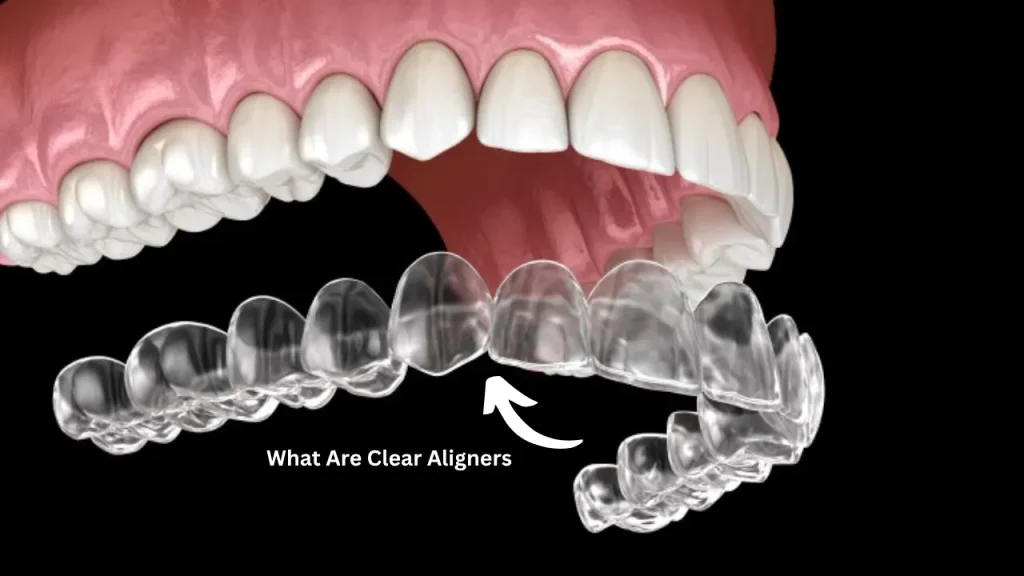
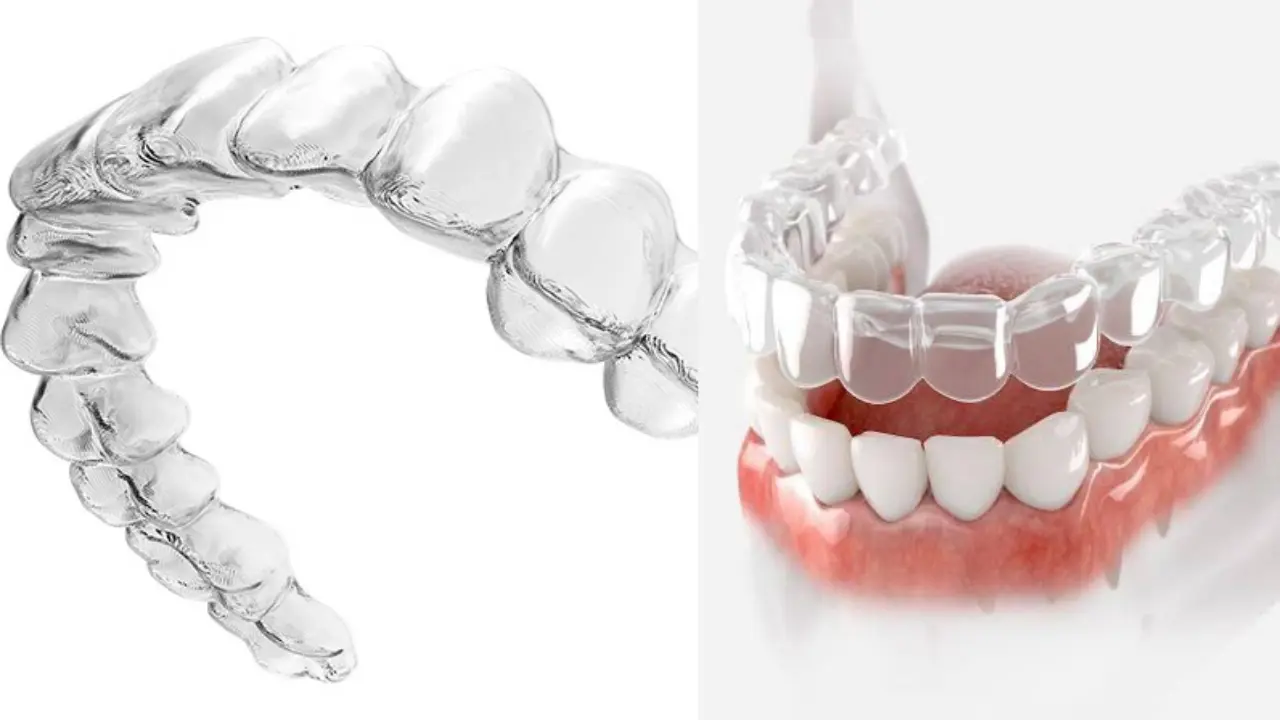
Clear aligners are custom-made plastic trays designed to apply gentle pressure to specific teeth. Instead of using brackets and wires, the trays guide the teeth through a planned series of small movements.
An orthodontist or dentist usually begins treatment by examining the teeth and bite. Digital scans, photographs, and sometimes X-rays may be used to create a detailed treatment plan.
Each tray represents a slightly different stage of tooth movement. As the patient moves from one tray to the next, the teeth gradually shift toward their planned positions.
Brasssmile Com Purpose, Safety, And Access
How Clear Aligners Work
Treatment usually starts with a digital model of the patient’s mouth. Special software can help the dental professional plan how each tooth should move during treatment.
The patient then receives several sets of trays. Each set is generally worn for a specific period before moving to the next one.
Most systems require patients to wear clear aligners for around 20 to 22 hours each day. Patients normally remove them when eating, drinking anything other than water, brushing, or flossing.
Consistency plays a major role in treatment success. Wearing the trays for fewer hours than recommended may slow progress or affect the final result.
Benefits Clear Aligners
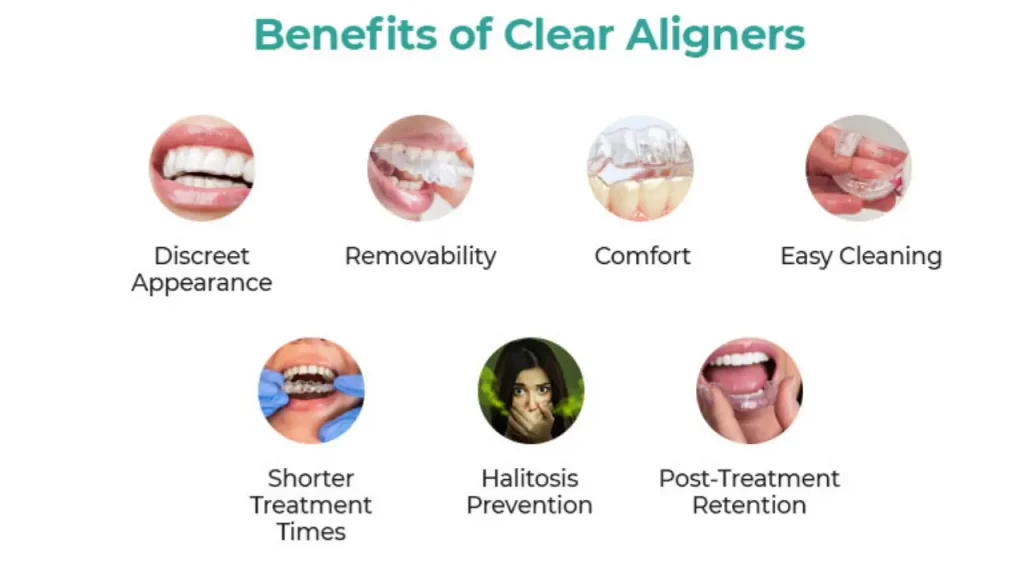
One of the biggest reasons people choose this treatment is appearance. The trays are transparent, so they may be less noticeable during conversations, work meetings, school, or social events.
Another benefit is removability. Traditional braces stay attached to the teeth throughout treatment, while aligner trays can normally be removed during meals.
This can make daily oral hygiene easier. Patients can brush and floss without having to clean around metal brackets or orthodontic wires.
The smooth plastic design may also cause less irritation to the cheeks and lips than traditional braces for some patients. However, mild pressure or temporary discomfort can still happen when a new tray is introduced.
How Much Do Braces Cost Metal, Ceramic, And Prices
Who Can Use Clear Aligners?
Clear aligners may work well for teenagers and adults with mild to moderate orthodontic problems. They are commonly used for crooked teeth, small gaps, mild crowding, and certain bite problems.
However, they may not be suitable for every orthodontic case. Complex tooth movements, severe bite problems, or major jaw alignment issues may require traditional braces or another treatment method.
A professional orthodontic examination is important before starting treatment. A dentist or orthodontist can determine whether this option is appropriate based on the patient’s teeth, gums, jaw, and overall oral health.
Clear Aligners vs Traditional Braces
Both treatments aim to improve tooth alignment, but they work differently.
Traditional braces can be a strong choice for complicated orthodontic problems because brackets and wires provide continuous control over tooth movement.
Aligners provide more flexibility, but the patient must wear them consistently. Removing them too often can reduce their effectiveness.
| Feature | Clear Aligner Treatment | Traditional Braces |
|---|---|---|
| Appearance | Nearly transparent | More noticeable |
| Removable | Yes | No |
| Eating restrictions | Usually fewer | Often more |
| Cleaning | Easier for many patients | Requires extra care |
| Treatment control | Depends heavily on patient compliance | Works continuously |
| Complex cases | May have limitations | Often suitable |
How Long Does Treatment Take?
Treatment length varies from person to person. Some mild alignment problems may take several months, while more complicated cases can take well over a year.
The total time depends on several factors, including the amount of tooth movement required, bite condition, patient age, and treatment compliance.
Using clear aligners exactly as directed can help keep treatment on schedule. Missing appointments or wearing trays inconsistently may extend the treatment period.
Dental professionals usually schedule regular checkups to monitor progress and make sure the teeth are moving as expected.
Eating and Drinking During Treatment
Patients should normally remove the trays before eating. Food trapped between the aligner and teeth can increase the risk of staining, plaque buildup, or tooth decay.
Water is usually considered safe to drink while wearing the trays. Hot drinks should generally be avoided because heat may affect the shape of some plastic aligners.
After meals, brushing the teeth before putting the trays back in can help maintain good oral hygiene. If brushing is not immediately possible, rinsing the mouth thoroughly can be helpful until proper cleaning is available.
How to Clean Clear Aligners
Keeping the trays clean is important throughout treatment. Dirty trays can develop unpleasant smells, stains, or bacterial buildup.
Patients can usually rinse their aligners with cool or lukewarm water and gently clean them according to the manufacturer’s or dentist’s instructions.
Avoid using very hot water because it can potentially distort the plastic.
A soft toothbrush may sometimes be used for gentle cleaning, but abrasive toothpaste may scratch certain materials. Always follow the cleaning instructions provided with the specific aligner system.
Possible Discomfort and Side Effects
Mild discomfort is common when patients start wearing a new set of clear aligners. This usually comes from the controlled pressure used to move the teeth.
The pressure may feel stronger during the first day or two of a new tray. It often becomes less noticeable as the teeth adjust.
Some people may also notice temporary changes in speech when they first begin treatment. In many cases, pronunciation improves as the tongue becomes used to the trays.
Patients should contact their dentist or orthodontist if they experience severe pain, damaged trays, gum problems, or unexpected changes in their bite.
Cost of Aligner Treatment
The cost of treatment can vary widely. Factors such as case complexity, treatment duration, provider experience, location, and the aligner system used can all affect the price.
Some dental insurance plans may provide partial orthodontic coverage, while others may not. Dental clinics may also offer monthly payment options depending on their policies.
Patients should request a complete treatment estimate before starting. The estimate should explain what is included, such as scans, trays, checkups, refinements, and retainers.
| Cost Factor | Estimated Cost / Impact |
|---|---|
| Mild Treatment | $1,500–$3,000 |
| Moderate Treatment | $3,000–$5,000 |
| Complex Treatment | $5,000–$8,000+ |
| Initial Consultation | Free–$300 |
| Digital Scans & X-rays | $100–$500 |
| Replacement Trays | $50–$200+ per tray |
| Retainers After Treatment | $100–$500+ |
| Dental Insurance | May cover part of the cost |
| Payment Plans | Often available through providers |
Do You Need Retainers After Treatment?
Finishing orthodontic treatment does not mean the teeth will automatically stay in their new positions forever.
Teeth naturally have a tendency to shift over time. For this reason, dentists and orthodontists often recommend retainers after treatment.
Retainers help protect the final result by holding the teeth in their corrected positions. The recommended wearing schedule can vary depending on the patient.
Following retainer instructions is an important part of maintaining a straight smile after orthodontic treatment ends.
Tips for Getting Better Results
Successful aligner treatment requires commitment. Patients should wear the trays for the recommended number of hours each day and change them according to the treatment schedule.
Keeping appointments is equally important because the dental professional needs to check progress.
Good brushing and flossing habits should continue throughout treatment. Clean teeth and clean trays can reduce the risk of cavities, gum irritation, and unpleasant odors.
Patients should also store their trays in a protective case whenever they remove them. This reduces the chance of losing, breaking, or accidentally throwing them away.
Final Thoughts
Orthodontic technology has given patients more choices for improving their smiles. Clear aligners offer a discreet, removable, and convenient approach for many mild to moderate tooth alignment problems.
They are not suitable for every person, so professional evaluation remains essential. When patients follow their treatment plan carefully and maintain good oral hygiene, clear aligners can provide an effective path toward healthier alignment and a more confident smile.