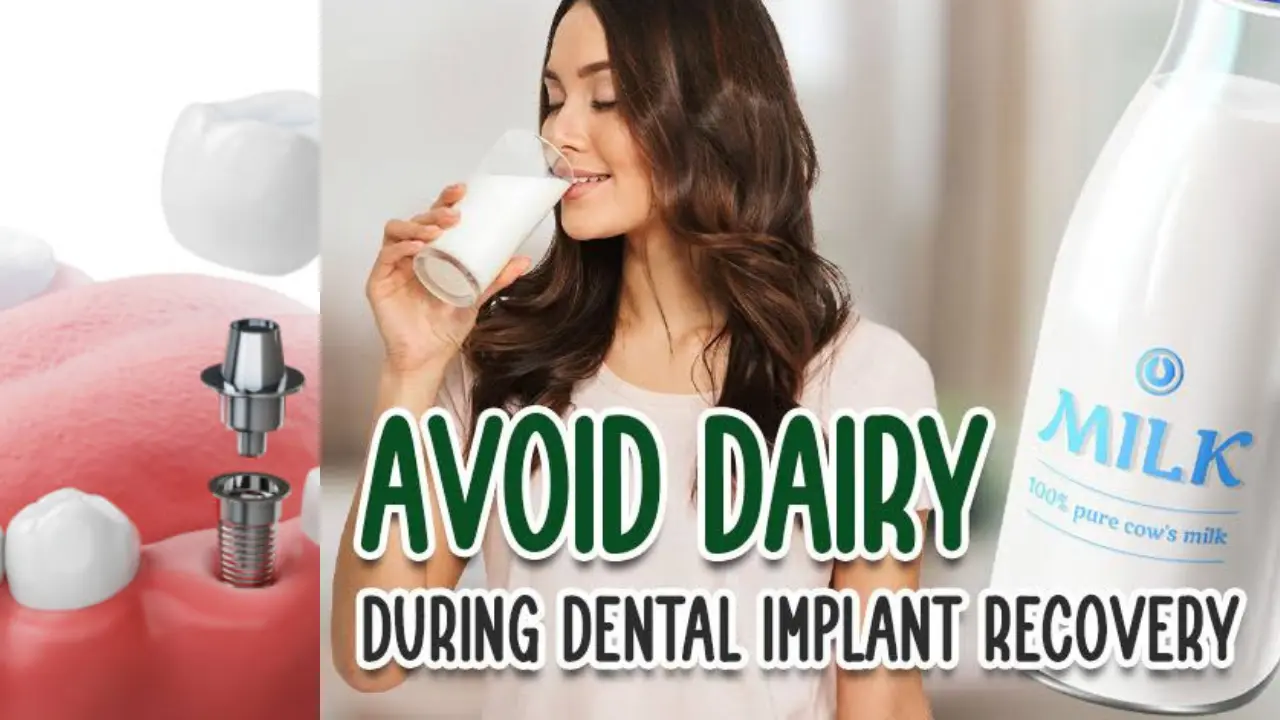
Why No Dairy After Dental Implant Reasons And Foods To Eat
Dental implant surgery requires careful aftercare because the gums and bone need time to heal around the implant. Many patients therefore search why no dairy after dental implant when they receive dietary instructions from their dentist.
Some dentists recommend avoiding certain dairy products for a short period after surgery. However, this restriction is not universal, and many patients can safely eat soft dairy foods such as yogurt if their surgeon allows them.
Why No Dairy After Dental Implant Surgery?
People asking why no dairy after dental implant often assume that milk, yogurt, and cheese can directly damage an implant. In reality, dairy itself does not normally interfere with the titanium implant or stop the bone from healing.
A dentist may temporarily restrict dairy because of the patient’s medication, digestion, nausea, or specific surgical instructions. The safest approach is always to follow the diet recommended by the dental implant surgeon.
Can Dairy Cause Problems After an Implant?
The answer to why no dairy after dental implant depends largely on the patient’s individual treatment plan. Some people may experience stomach discomfort from milk products, especially while taking antibiotics or pain medicines after surgery.
Vomiting or nausea can make recovery uncomfortable and may irritate a fresh surgical area. For this reason, a dentist may suggest simple foods that are easier for the patient to tolerate during the first day.
Dairy products are not automatically harmful, though. Oral and maxillofacial surgery guidance commonly recommends soft foods after oral surgery, including foods such as yogurt and smoothies when appropriate.
Brasssmile Com Purpose, Safety, And Access
Dairy and Antibiotics After Dental Implant Surgery
Another possible explanation for why no dairy after dental implant relates to medication. Certain medicines can interact with calcium or other minerals, although this does not apply to every antibiotic used in dentistry.
Patients should therefore read their medication instructions carefully. If a medicine needs to be separated from calcium-rich foods, the dentist or pharmacist can explain how many hours to leave between the medicine and dairy products.
Never stop prescribed antibiotics simply because you want to eat dairy. Take all medicines exactly as instructed by your dental professional.
What Should You Eat After Dental Implant Surgery?
After implant placement, the surgical area should experience as little pressure as possible. Oral surgeons generally recommend a soft diet during the early healing period so chewing does not irritate the implant site.
Good options may include mashed potatoes, scrambled eggs, applesauce, soft vegetables, lukewarm soup, oatmeal, bananas, smoothies eaten with a spoon, and other foods that require little chewing.
How Much Do Braces Cost Metal, Ceramic, And Prices
If your surgeon allows dairy, soft yogurt can also be an easy food during recovery.
| Food | Usually Suitable After Surgery? | Reason |
|---|---|---|
| Mashed potatoes | Yes | Soft and easy to swallow |
| Scrambled eggs | Yes | Soft and protein-rich |
| Applesauce | Yes | Requires little chewing |
| Yogurt | Often yes | Soft and easy to eat |
| Crunchy chips | No | Can irritate the surgical area |
| Hard nuts | No | Require heavy chewing |
| Spicy foods | Best avoided early | May irritate healing tissue |
How Long Should You Avoid Dairy?
Patients wondering why no dairy after dental implant also want to know how long the restriction lasts. There is no single time period that applies to everyone because dentists use different surgical techniques and postoperative plans.
If your dentist specifically tells you to avoid dairy, follow the recommended period. Some restrictions may last only a day or two, while other dietary changes may depend on medications or individual healing.
Do not assume that another patient’s instructions apply to your implant procedure.
Foods to Avoid After a Dental Implant
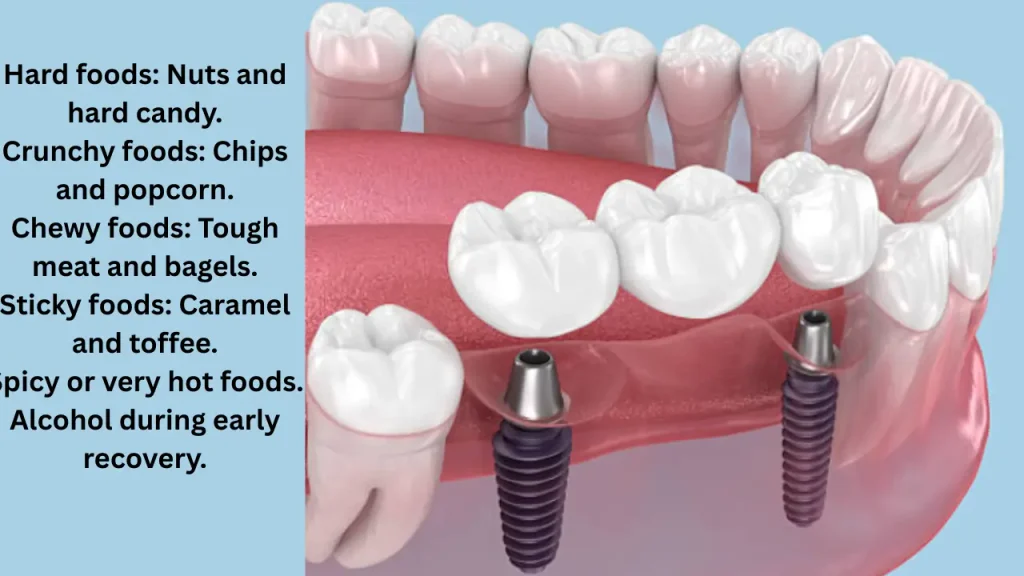
Protecting the surgical site matters more than avoiding one particular food group. Hard, crunchy, chewy, very spicy, or extremely hot foods can place unnecessary pressure on healing gums.
Patients should also avoid using a straw soon after oral surgery because strong suction can disturb the healing area. Smoking and alcohol can also interfere with recovery and may increase the risk of complications.
Keeping meals soft and comfortable allows the mouth to heal with less irritation.
Can You Drink Milk After Dental Implant Surgery?
When researching why no dairy after dental implant, many patients specifically worry about drinking milk. Milk is not automatically prohibited after implant placement unless the dental surgeon has given a specific reason to avoid it.
If milk causes nausea or conflicts with medication instructions, waiting may be sensible. Otherwise, patients should ask their surgeon whether milk and other dairy products are suitable during their recovery.
Avoid very hot drinks immediately after surgery because heat can irritate sensitive tissues.
Is Yogurt Safe After Dental Implant Surgery?
Yogurt is often considered a suitable soft food after oral surgery because it requires almost no chewing. Professional oral-surgery guidance even lists yogurt among common soft-food choices during early recovery.
Choose smooth yogurt without nuts, seeds, granola, or hard pieces that might irritate the surgical site. Patients with specific dairy restrictions should still follow their dentist’s instructions.
Why Following Your Dentist’s Advice Matters
The question why no dairy after dental implant does not have the same answer for every patient. Implant location, bone grafting, medications, allergies, medical conditions, and the complexity of surgery can all influence dietary recommendations.
Your dentist knows exactly what procedure was performed and can provide instructions designed for your situation. Contact the dental office if you develop severe pain, excessive bleeding, unusual swelling, fever, or other concerning symptoms.
Final Thoughts
Understanding why no dairy after dental implant helps patients separate general internet advice from instructions that apply to their own treatment. Dairy itself is not universally banned after dental implant surgery, and soft products such as yogurt may actually appear in recommended postoperative diets.
The most important approach is to eat soft foods, avoid irritating the surgical area, take medications correctly, and follow your implant surgeon’s instructions. Proper aftercare gives the gums and bone the best environment for healthy healing.
One Comment