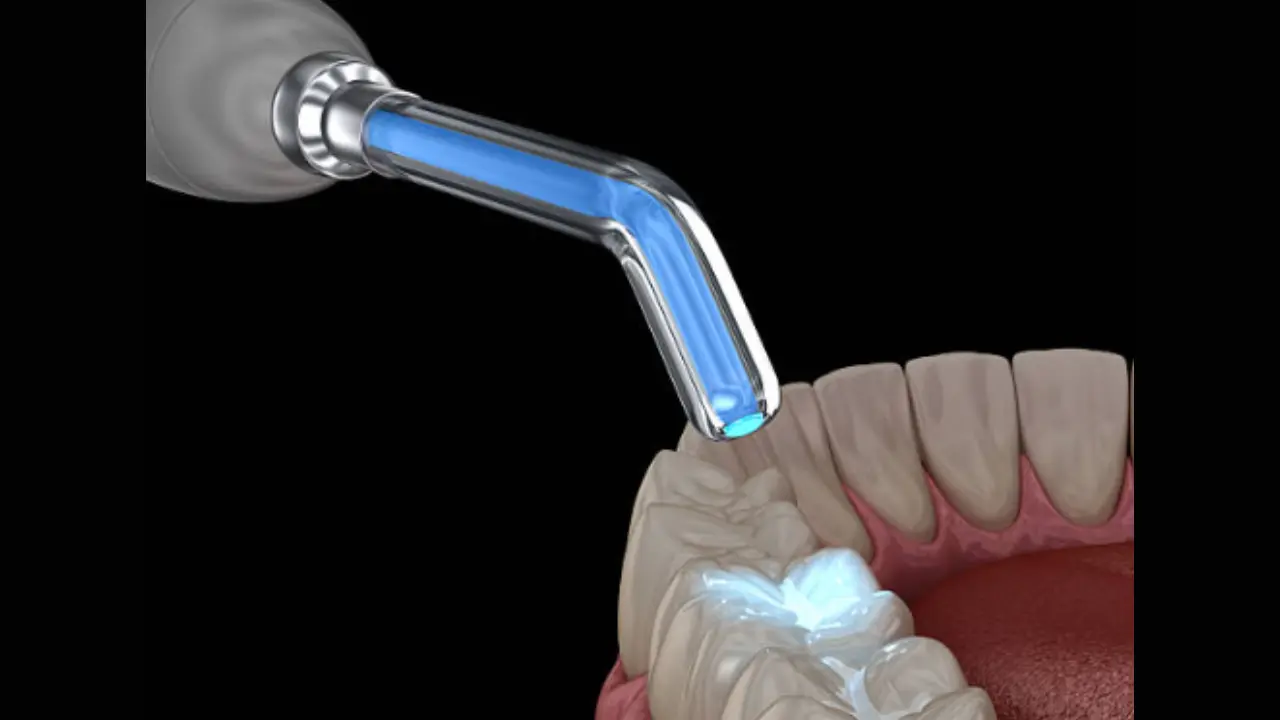
Dental Inlay Cost Price, Materials, Insurance
A dental inlay can repair a damaged or decayed tooth when a regular filling may not provide enough strength. Many patients want to understand dental inlay cost before choosing this treatment because prices can vary widely. The final amount often depends on the material, tooth location, dentist, laboratory fees, and insurance coverage.
Dental inlays usually cost more than standard fillings, but they may provide better durability in certain cases. According to recent U.S. pricing data, dental inlays and onlays may range from about $250 to $1,500 per tooth, while porcelain inlays and onlays can cost considerably more depending on the provider and location.
What Is a Dental Inlay?
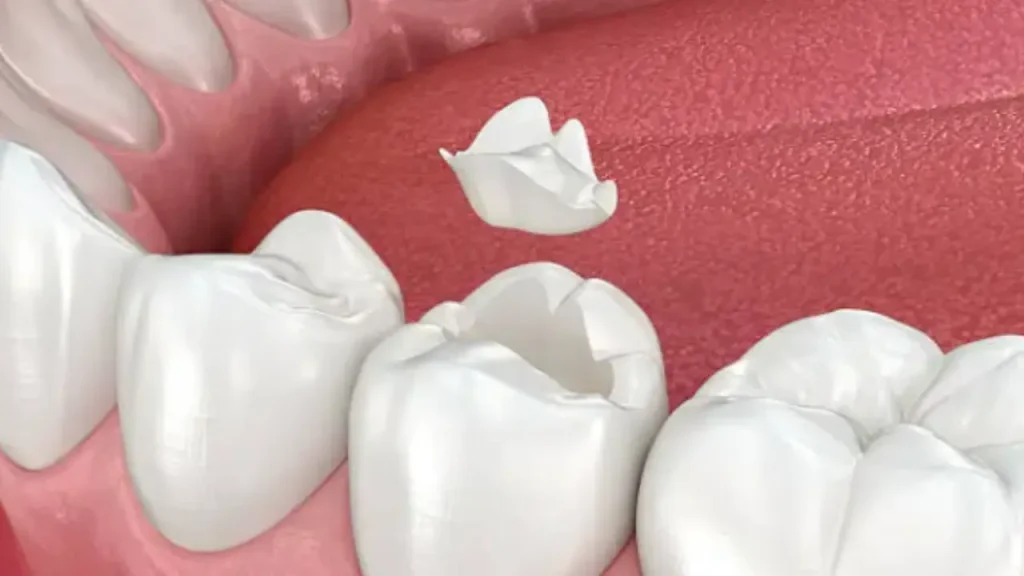
A dental inlay is a custom restoration that repairs damage inside the chewing surface of a tooth. Dentists often recommend it when decay or damage is too large for a regular filling but does not require a full dental crown.
Unlike a normal filling, which the dentist places and shapes directly inside the tooth, an inlay is usually created separately and then bonded to the prepared tooth. This approach can provide a strong fit while preserving more healthy tooth structure.
Understanding the treatment process can also help patients understand why dental inlay cost tends to be higher than the price of a basic filling.
Brasssmile Com Purpose, Safety, And Access
Average Dental Inlay Cost
The price of an inlay depends greatly on the material and complexity of treatment. In the United States, general inlay pricing may fall between $250 and $1,500 per tooth.
More recent dental pricing data lists porcelain inlays and onlays at an average of about $976, with a reported range of approximately $755 to $1,774.
| Type of Restoration | Estimated Cost |
|---|---|
| General dental inlay | $250–$1,500 |
| Porcelain inlay/onlay | $755–$1,774 |
| Average porcelain inlay/onlay | About $976 |
| Composite filling for comparison | About $226 |
What Factors Affect Dental Inlay Cost?
Several factors can increase or decrease dental inlay cost. The material often has one of the biggest effects. Porcelain and ceramic restorations usually cost more because they require precise manufacturing and can closely match natural tooth color.
The location of the damaged tooth also matters. Back teeth can require more complicated treatment because they are harder to reach and experience strong chewing forces. Dentist experience, laboratory charges, and the size of the damaged area may also affect the price.
Geographic location can create another major difference. Dental treatment in areas with higher operating costs may cost considerably more than treatment in smaller or lower-cost regions.
Dental Inlay Cost With Insurance
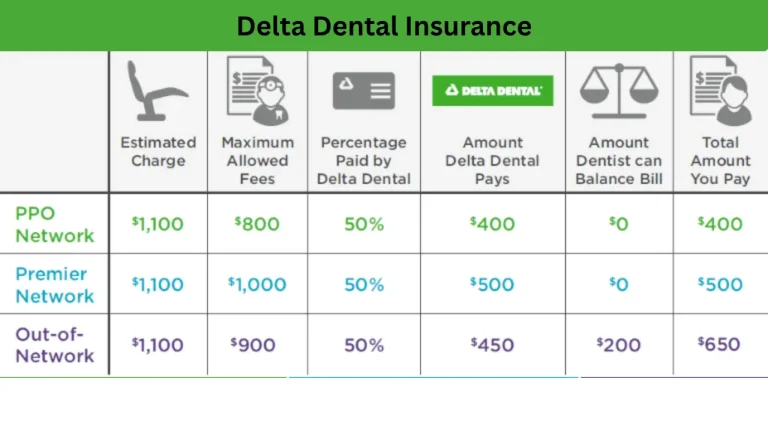
Dental insurance may reduce dental inlay cost, but coverage varies between insurance plans. Some insurers classify inlays as basic restorative treatment, while others place them under major dental services.
If an insurer considers an inlay a major procedure, the patient may need to pay a larger percentage of the bill. Deductibles, annual maximums, waiting periods, and network rules can also influence the final amount.
Patients should request a treatment estimate from their dentist and contact their insurance provider before beginning treatment. This can help prevent unexpected expenses.
Invisible Braces Cost, Types And Treatment Guide
Dental Inlay vs Filling Cost
A normal filling is generally cheaper than an inlay. Recent U.S. pricing data places an average composite filling at around $226, compared with about $976 for a porcelain inlay or onlay.
However, price should not be the only factor when choosing treatment. An inlay may offer better strength and fit when a large part of the tooth needs restoration. A dentist can decide which option provides enough support without unnecessarily removing healthy tooth structure.
Dental Inlay vs Crown Cost
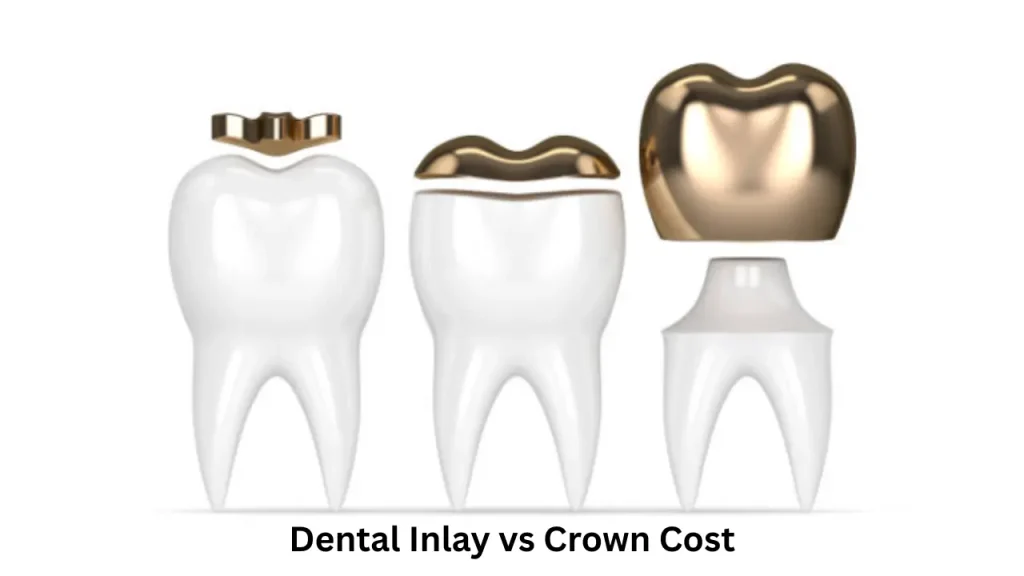
A crown covers most or all of the visible part of a damaged tooth, while an inlay repairs a smaller section within the tooth. Crowns may therefore require more tooth preparation.
Current national pricing data lists porcelain crowns at an average of about $1,399, although prices vary by location and treatment needs.
In some cases, dental inlay cost can therefore be lower than the cost of a crown. However, patients should choose treatment based on tooth condition rather than price alone.
Are Dental Inlays Worth the Cost?
Dental inlays can be worthwhile when they allow a dentist to restore a damaged tooth while maintaining healthy surrounding structure. Their custom fit may also provide good stability and make the repaired tooth easier to clean.
Inlays and onlays can also last longer than many conventional fillings when patients maintain good oral hygiene and attend regular dental checkups.
The value of the treatment depends on the condition of the tooth, material selected, bite pressure, oral hygiene habits, and overall treatment plan.
How to Reduce Dental Inlay Cost
Patients concerned about dental inlay cost can ask several dental offices for written estimates before scheduling treatment. Comparing prices can help identify differences in laboratory fees, materials, examinations, and other charges.
Patients should also ask whether their dental insurance includes inlays and whether the dentist participates in their insurance network. Some practices may offer payment plans or financing options for larger restorative procedures.
Choosing the cheapest option is not always best. The quality of the restoration and the dentist’s experience can influence comfort, fit, durability, and long-term results.
Final Thoughts
The average dental inlay cost can range from several hundred dollars to well above $1,000 per tooth, depending on material and location. Porcelain restorations tend to sit toward the higher end of the pricing range because they combine durability with a natural appearance.
Patients should get a personalized dental examination before making a decision. Understanding treatment needs, insurance benefits, materials, and expected durability makes it easier to compare dental inlay cost with fillings, crowns, and other restorative options.