

Straight Teeth Without Braces: A Guide to Tooth Aligners
Do you see crowding or gaps in your front teeth when you look at photos? Maybe that area around your teeth has always been a problem. If you have teeth that aren’t straight or if you have space between your teeth, tooth aligners can help you get straighter teeth with less visible tools than regular braces.
When used properly, these clear trays can straighten your teeth. However, orthodontic treatment is something that takes time and needs the help of a dentist to make sure everything goes well.
What Are Tooth Aligners?
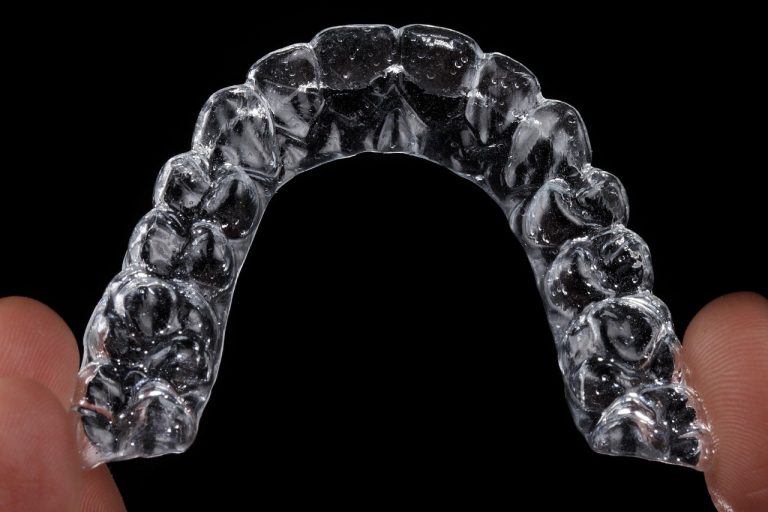
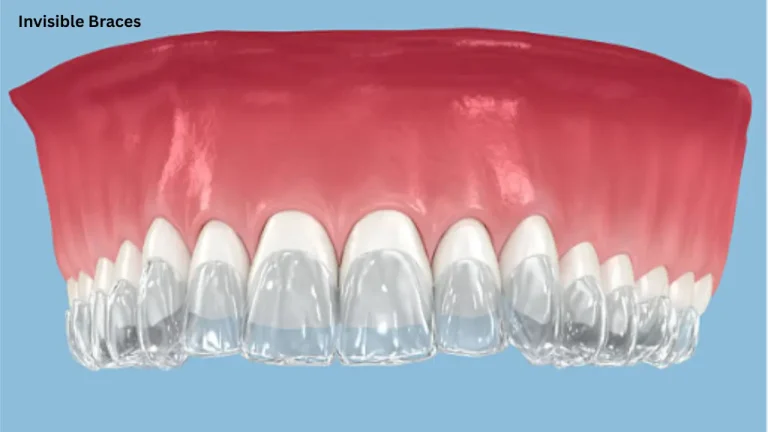
Orthodontic aligners are plastic trays that fit around your teeth and gently move them into place as you wear them. They are custom-made for your teeth by taking a digital scan by your dentist, and then a treatment plan is made, deciding how your teeth will move. Each person wears aligners that are made for each step in their plan.
Clear aligners work like braces, but they are made to be taken out when you eat, drink or brush your teeth. Since they are made from transparent materials, they are not easy to see. This is one of the many reasons people tend to prefer them more than metal braces.
How Does Tooth Aligner Treatment Work?
Treatment with tooth aligners usually includes a checkup with the dentist where a scan of your mouth is made. A treatment plan is made based on it, and custom-made aligners are made. Also, routine visits to the dentist and ongoing care are needed during the treatment duration. Orthodontic treatment with aligners usually has four steps:
1. Dental checkup: To see if you can use tooth aligners, a dentist or orthodontist looks at your mouth.
2. Scan: Digital pictures or other images of your teeth help make your treatment plan.
3. Custom aligners: Your dentist or orthodontist makes a series of aligners based on your plan.
4. Progress check: As you wear your aligners, you go to the dentist for checks to make sure your teeth are moving as planned.
For tooth aligners to work, you need to wear them all the time during your treatment. According to the American Association of Orthodontists, most people who use aligners wear them for 20-22 hours each day. However, your dentist or orthodontist will talk about how you should wear them.
Which Orthodontic Issues Do Tooth Aligners Fix?
Depending on the state of your mouth and the way you want your teeth to move you might be able to use tooth aligners. These aligners can usually fix orthodontic issues, including:
• Teeth that are not straight or are crowded
• Space between your teeth
• Crossbite and underbite (sometimes)
• Overbite (sometimes)
Your dentist or orthodontist can talk to you about whether you are a good fit for treatment with tooth aligners.
What Is the Difference Between Tooth Aligners and Traditional Braces?
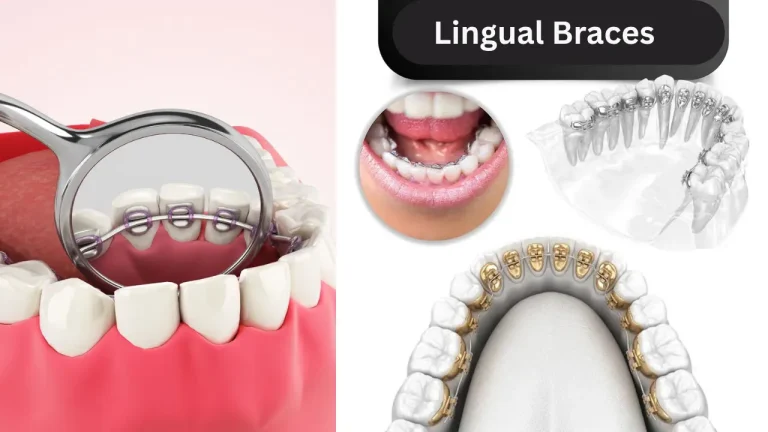
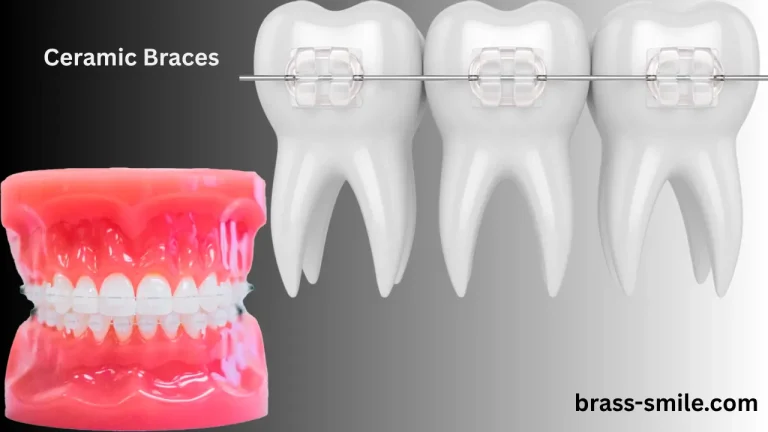
Tooth aligners and traditional braces are similar because they both use pressure to move your teeth. However, braces and aligners are different in how they look and how they work.
|
Comparison Feature |
Tooth aligners |
Traditional braces |
|---|---|---|
|
Appearance |
visible |
More obvious |
|
Removable |
Yes |
No |
|
Cleaning |
Easier to clean |
Harder to clean |
|
Eating |
Take them out before eating |
Avoid hard foods |
|
Daily wear |
Wear most of the day |
Wear all the time |
In a study published in the American Journal of Orthodontics and Dentofacial Medicine researchers found that both clear aligners and fixed orthodontic tools can help treat simple problems that do not need teeth to be removed.
How Long Does Tooth Aligner Treatment Take?
The time it takes for your orthodontic treatment depends on things like how complicated your case is, how much your teeth need to move and how often you wear your aligners. Some simpler problems with gaps in the teeth might take less time, while more complicated problems might take longer. If you don’t wear your aligners for 20-22 hours a day, your treatment might take longer than expected.
To get an idea of how your treatment will take, ask your dentist or orthodontist about the expected time with your plan. In general, you should expect this treatment to take months to a few years.
After your treatment is done, you will probably need to wear a retainer to keep your teeth in their positions. Over time your teeth might shift, after orthodontic treatment.
Frequently Asked Questions About Tooth Aligners
Are tooth aligners uncomfortable?
Only in the initial 2-3 days. As your teeth start to move you might feel some pain, like pressure or soreness. If you keep feeling pain, tell your dentist or orthodontist.
Can adults use tooth aligners?
Yes. Adults can use tooth aligners if their mouth is healthy enough for treatment.
Can I eat with tooth aligners?
No. You should not eat with the aligners in your mouth. Depending on what your dentist or orthodontist says you might want to clean your teeth before putting your aligners in.
Are tooth aligners better than braces?
It depends on what you need and what you prefer. Tooth aligners can be a choice instead of regular metal braces. Each kind of treatment has its good and bad points so talk to your dentist or orthodontist about your choices.
The Right Treatment Starts with the Right Dental Professional
Tooth aligners can help you get straighter teeth with less visible and removable options than regular braces. However orthodontic treatment takes time. Needs careful planning by a dentist. If you are thinking about using aligners talk to your dentist or orthodontist.
Illusion Aligners is something you can talk to your dentist about. Your dentist can decide if you are a fit for treatment, with clear orthodontic aligners.

One Comment