Ceramic Braces Cost, Benefits, Treatment Time And Results
Ceramic braces are a modern orthodontic treatment designed for people who want straighter teeth with a more discreet appearance. Unlike traditional metal braces, they use clear or tooth-colored brackets that blend naturally with the teeth while applying controlled pressure to improve alignment. This treatment can address common concerns such as crowded teeth, gaps, crooked teeth, and certain bite problems.
With their combination of reliable orthodontic performance and subtle design, they have become a popular choice among both teenagers and adults seeking a confident, well-aligned smile.
What Are Ceramic Braces?
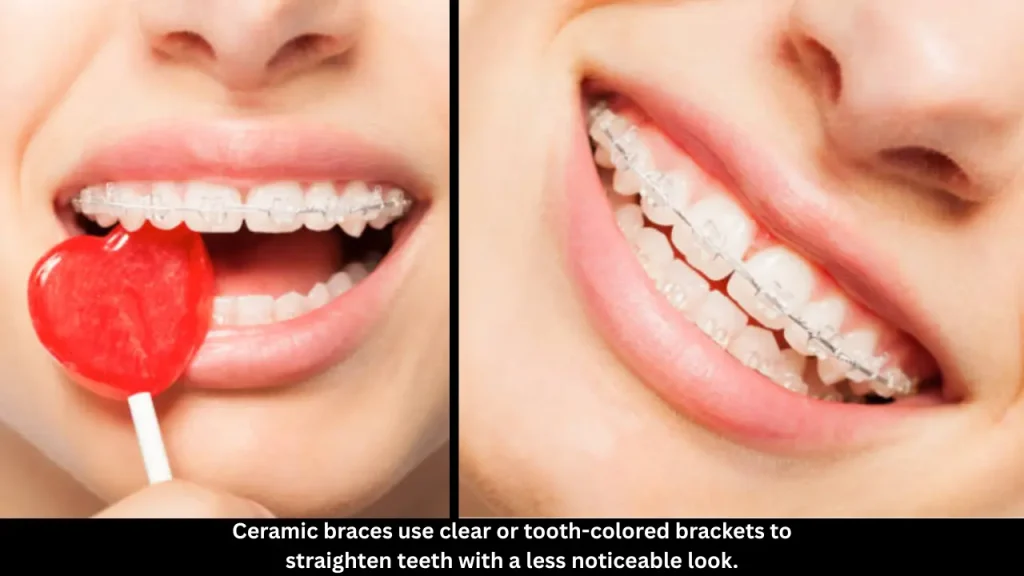
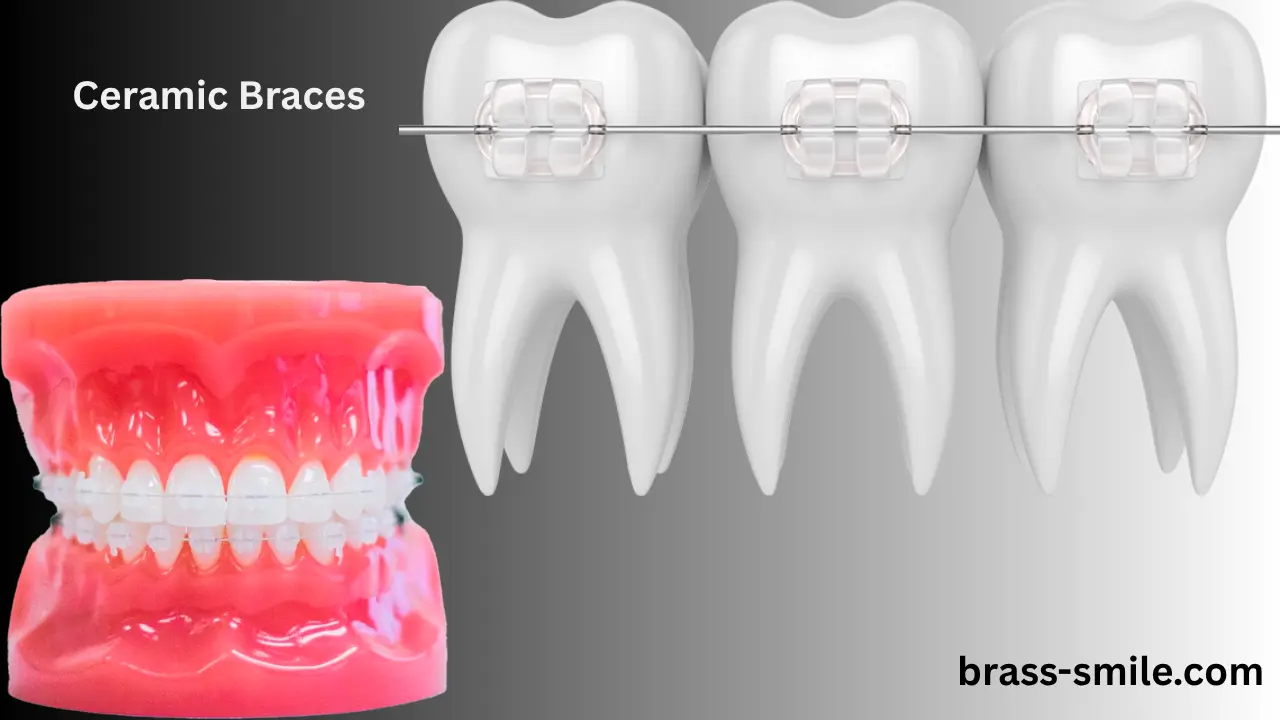
Ceramic braces are fixed orthodontic appliances that help move teeth into better positions. Instead of using shiny metal brackets, they use clear or tooth-colored ceramic brackets attached to the front surface of each tooth.
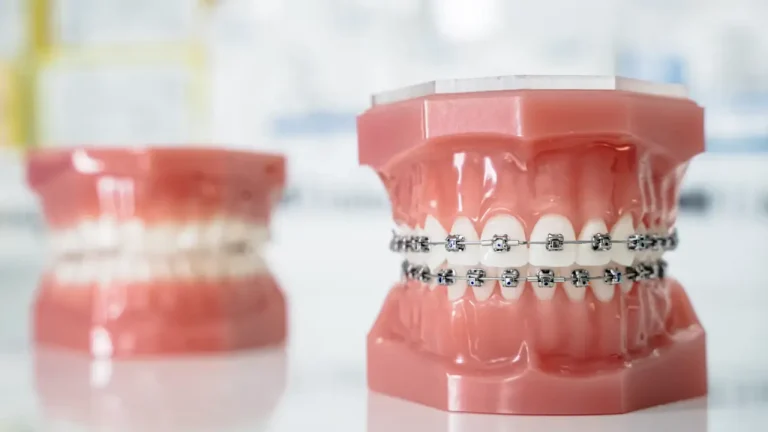
An orthodontist connects the brackets with an archwire. Gentle pressure from the wire slowly moves crowded, crooked, or poorly aligned teeth. Some systems also use clear or white elastic ties to make the appliance less visible.
These braces can treat many of the same alignment problems that traditional braces treat. They may help correct overcrowding, spacing, crooked teeth, and several bite problems.
Brasssmile Com Purpose, Safety, And Access
How Do Ceramic Braces Work?
The treatment process works through controlled pressure. After placing the brackets on the teeth, the orthodontist threads an orthodontic wire through them.
The wire creates gentle force that guides teeth toward their planned positions. Over time, the bone around each tooth adjusts, which allows the tooth to move.
Patients normally attend regular orthodontic appointments so the orthodontist can check progress and make adjustments. The treatment plan depends on the condition of the teeth, bite, age, and orthodontic goals.
The movement happens slowly because teeth and surrounding tissues need time to adapt safely.
Ceramic Braces vs Metal Braces
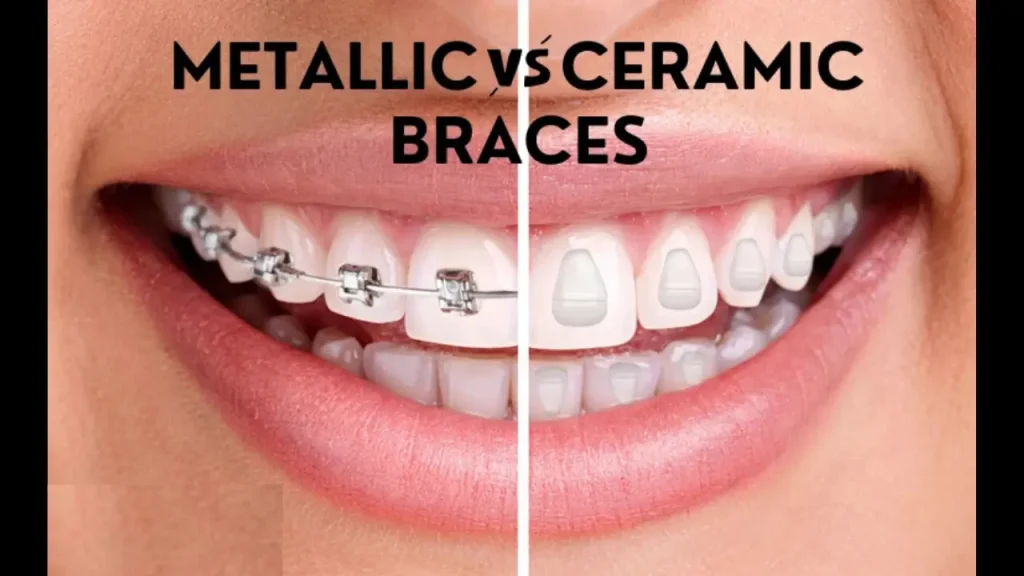
The main difference between these two options involves appearance and bracket material. Traditional braces use metal brackets, while ceramic braces use brackets designed to match or blend with natural tooth color.
Metal braces may be more suitable for very complex orthodontic movements because their brackets can tolerate greater pressure. Ceramic systems remain a strong choice when appearance matters greatly to the patient.
| Feature | Ceramic Option | Metal Braces |
|---|---|---|
| Bracket appearance | Clear or tooth-colored | Silver or metallic |
| Visibility | Less noticeable | More noticeable |
| Strength | Strong but more fragile | Very strong |
| Cost | Usually higher | Usually lower |
| Staining risk | Ties may discolor | Very low |
| Treatment ability | Handles many orthodontic cases | Handles mild to complex cases |
Main Benefits of Ceramic Braces
One of the biggest benefits involves their discreet appearance. The brackets usually blend with the natural shade of the teeth, making the treatment less obvious during conversations, photographs, school, or work.
Another benefit is that ceramic braces remain fixed to the teeth. Patients do not need to remember to insert them every day, which can be an advantage over removable aligners.
They can also correct a wide range of orthodontic problems. Patients with gaps, crowding, rotated teeth, or certain bite problems may qualify for this treatment.
Some people also feel more confident wearing tooth-colored brackets because they attract less attention than metal ones.
What is the cost of ceramic braces
The cost of ceramic braces can vary based on the complexity of the case, treatment length, location, and orthodontist’s fees. In the United States, total treatment commonly costs around $4,000 to $8,000, although individual prices may fall outside this range. Ceramic options usually cost more than traditional metal braces because the brackets use specialized tooth-colored or clear materials. Dental insurance with orthodontic coverage and clinic payment plans may help reduce the amount a patient pays out of pocket.
| Cost Factor | Typical Impact on Price |
|---|---|
| Estimated U.S. treatment cost | About $4,000–$8,000 |
| Treatment complexity | Complex cases may cost more |
| Treatment duration | Longer treatment can increase costs |
| Orthodontist and location | Fees vary by provider and region |
| Dental insurance | May cover part of eligible treatment |
| Payment plans | Can divide the total into monthly payments |
Ceramic Braces for Teens
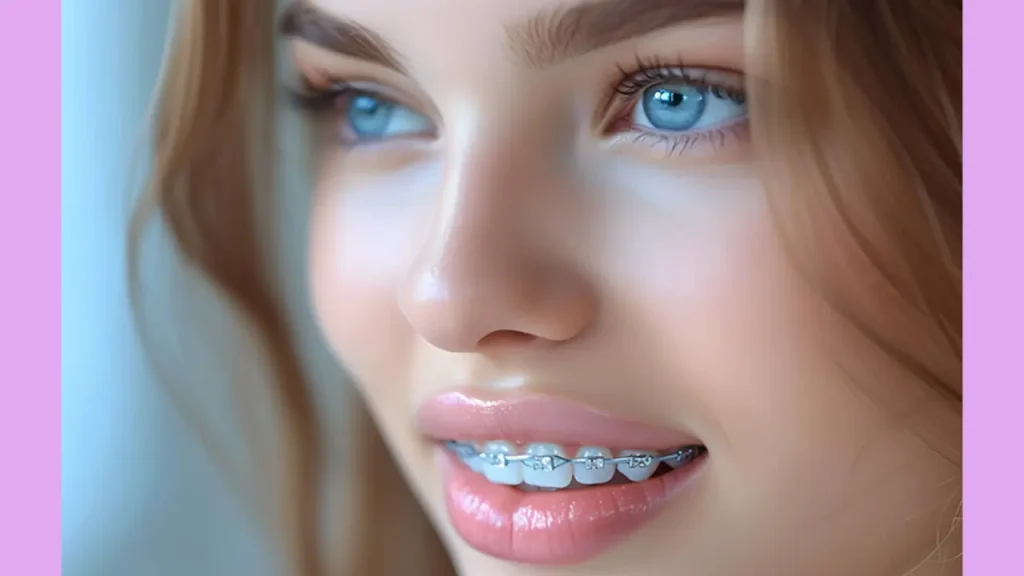
Ceramic braces for teens offer an effective way to straighten teeth while keeping orthodontic treatment less noticeable. Their clear or tooth-colored brackets blend with natural teeth, which may appeal to teenagers who feel concerned about wearing visible metal braces at school or during social activities. They can treat common orthodontic concerns such as crowded teeth, gaps, crooked teeth, and certain bite problems. However, ceramic brackets can be more fragile than metal ones, so teens need good oral hygiene, careful eating habits, and regular orthodontic visits to protect their braces and achieve the planned results.
Braces Colors For Girls, Boys, Skin Tone, Eyes And Teeth
Possible Disadvantages
Ceramic brackets are strong, but they are usually more brittle than stainless steel brackets. A hard bite or direct force may damage a bracket, so patients need to follow eating instructions carefully.
The treatment may also cost more because ceramic materials and clinical procedures can be more expensive.
Clear elastic bands can sometimes stain after contact with strongly colored foods and drinks. Coffee, tea, curry, tomato-based sauces, and tobacco products may affect their appearance.
The brackets can also be slightly larger than metal ones in some systems. This size difference may cause temporary irritation until the mouth adjusts.
How Much Do Ceramic Braces Cost?
The price of orthodontic treatment varies widely. Factors such as location, treatment length, case difficulty, orthodontist experience, and insurance coverage all affect the final cost.
In general, ceramic braces often cost more than standard metal braces because of their materials and appearance benefits. Patients should request a complete treatment estimate before starting.
Some dental or orthodontic clinics offer monthly payment plans. Dental insurance may also cover part of orthodontic treatment when the policy includes orthodontic benefits.
| Cost Factor | Possible Effect |
|---|---|
| Treatment complexity | More complex cases may cost more |
| Treatment duration | Longer plans may increase costs |
| Clinic location | Prices vary by region |
| Orthodontist experience | Specialist fees may vary |
| Insurance | May reduce personal costs |
| Additional procedures | Can increase total treatment cost |
How Long Does Treatment Take?
Orthodontic treatment does not have one fixed timeline. Some patients may finish treatment relatively quickly, while others may need braces for two years or longer.
The total time depends on tooth movement, bite problems, treatment goals, and patient cooperation. Missing appointments or repeatedly breaking brackets may slow progress.
For many patients, ceramic braces require a treatment period similar to traditional braces. An orthodontist can provide a better estimate after examining the teeth and taking X-rays or digital scans.
Patients should remember that faster treatment is not always better. Safe orthodontic movement requires controlled pressure over time.
What Can You Eat With Braces?
People can continue eating many normal foods, but they should avoid items that can damage brackets or bend wires.
Hard foods such as ice, hard candy, popcorn kernels, and very crunchy snacks can cause problems. Sticky foods may also pull on brackets and make cleaning more difficult.
Patients can eat softer foods such as rice, pasta, eggs, yogurt, cooked vegetables, soft fruits, fish, and tender meat. Cutting larger foods into smaller pieces also reduces pressure on the brackets.
Eating carefully helps protect the appliance and may prevent unnecessary orthodontic visits.
How to Keep Ceramic Braces Clean
Good oral hygiene becomes especially important during orthodontic treatment. Food particles and plaque can collect around brackets, wires, and gum lines.
Patients should brush carefully after meals when possible. A soft toothbrush or orthodontic toothbrush can help clean around the brackets.
Flossing is also important. Floss threaders, interdental brushes, or other orthodontic cleaning tools can make it easier to clean between teeth.
People wearing ceramic braces should also limit foods and drinks that may discolor elastic ties. Rinsing the mouth with water after coffee, tea, or strongly colored meals can help reduce surface staining.
Regular dental cleanings remain important during treatment because braces do not replace routine dental care.
Do Ceramic Braces Stain?
The ceramic bracket material itself often resists staining well. However, the clear elastic ties used around some brackets may become discolored.
Frequent consumption of dark drinks or heavily colored foods can make the ties look yellow or dull. Smoking can also cause noticeable discoloration.
Orthodontists normally replace elastic ties during adjustment visits. Patients who want the braces to remain less visible should maintain strong oral hygiene and reduce exposure to staining substances.
Are Ceramic Braces Painful?
Patients may feel pressure or tenderness after braces are first fitted. Similar discomfort may appear for a short period after adjustment appointments.
This feeling occurs because the appliance places pressure on the teeth. The discomfort usually becomes easier as the mouth adapts.
Brackets may also rub against the inside of the cheeks or lips during the first few days. Orthodontic wax can sometimes provide temporary protection over irritating areas.
Severe or continuing pain should be discussed with an orthodontist rather than ignored.
Who Is a Good Candidate?
Many teenagers and adults with permanent teeth may qualify for ceramic orthodontic treatment. People who feel concerned about the appearance of metal braces may find this option especially attractive.
However, ceramic braces are not automatically the best choice for every person. Severe bite problems, strong chewing forces, certain sports, oral hygiene habits, or treatment complexity may influence the orthodontist’s recommendation.
The orthodontist will normally examine the teeth, gums, jaw relationship, and bite before recommending treatment.
Patients should discuss appearance, budget, lifestyle, treatment duration, and expected results during the consultation.
Ceramic Braces vs Clear Aligners
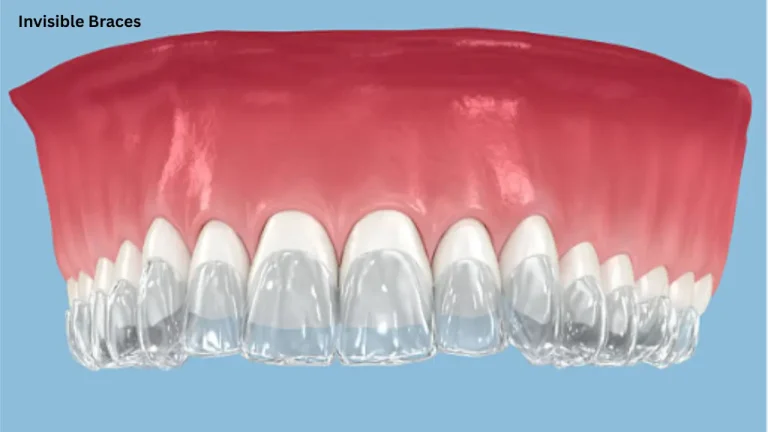
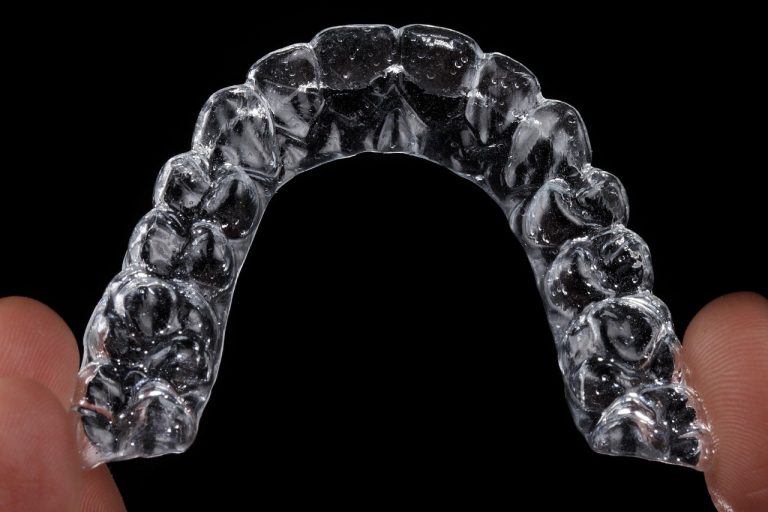
Clear aligners offer another discreet way to straighten teeth. They use removable transparent trays instead of brackets and wires.
Aligners can be removed while eating and brushing. However, patients usually need to wear them for most of the day to achieve good results.
Fixed braces continue working because they remain attached to the teeth. They may also offer greater control for certain tooth movements.
The better option depends on the orthodontic problem, patient discipline, budget, and personal preferences.
What Happens After Braces Are Removed?
Finishing active treatment does not mean teeth will stay permanently in their new positions without support. Teeth can slowly move after braces are removed.
For this reason, orthodontists usually provide a retainer. A retainer helps maintain the corrected position while the tissues around the teeth become more stable.
Patients must follow their orthodontist’s instructions about how often to wear the retainer. Poor retainer use can allow teeth to shift again.
Long-term retention plays an important role in protecting the final orthodontic result.
Final Thoughts
Choosing an orthodontic treatment involves more than appearance alone. Patients should consider comfort, treatment needs, cost, oral hygiene, and long-term results before making a decision.
Ceramic braces offer an effective and less noticeable way to correct many common tooth alignment problems. Their tooth-colored brackets can make fixed orthodontic treatment more attractive to people who want a discreet smile during the straightening process.