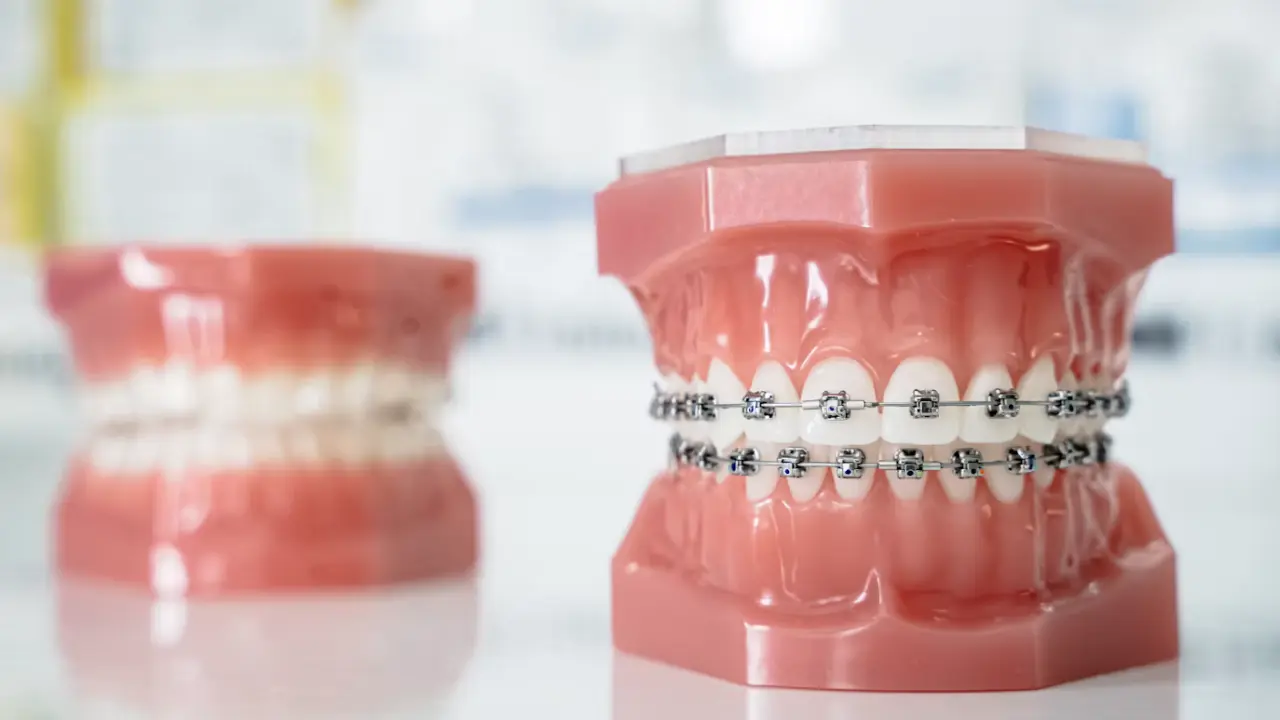
Power Chain Braces Types, Cost, Treatment And Care
A confident smile often depends on proper tooth alignment and healthy spacing. Power chain braces are connected elastic rings used with traditional braces to close gaps and guide teeth into better positions. They apply steady, controlled pressure across several teeth, helping orthodontists manage specific tooth movements.
A power chain looks like a connected row of small elastic rings. Instead of placing a separate elastic tie around each bracket, an orthodontist stretches the connected chain across several brackets. The chain creates steady pressure that helps move teeth toward the planned position.
What Are Power Chain Braces?
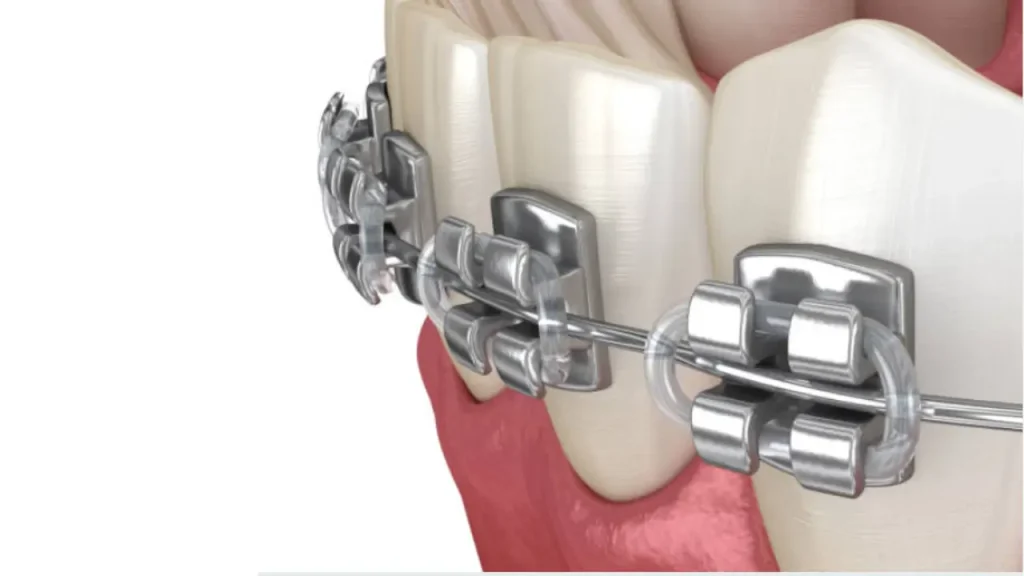
Power chain braces use connected elastic loops that attach to the brackets of traditional braces. They look similar to regular elastic ties, but each small ring connects to the next one.
The connected design allows the chain to apply pressure across several teeth at the same time. Orthodontists often use this pressure to close gaps, control spacing, and support specific tooth movements.
Brasssmile Com Purpose, Safety, And Access
Power chains are not a separate type of braces. They are an orthodontic accessory that works with braces during certain stages of treatment.
| Feature | Details |
|---|---|
| Material | Medical-grade elastic |
| Main purpose | Closing spaces and moving teeth |
| Used with | Mainly traditional braces |
| Placement | Attached across several brackets |
| Replacement | Usually during orthodontic visits |
| Colors | Clear and several colored options |
| Treatment length | Depends on the individual case |
How Do Power Chains Work?
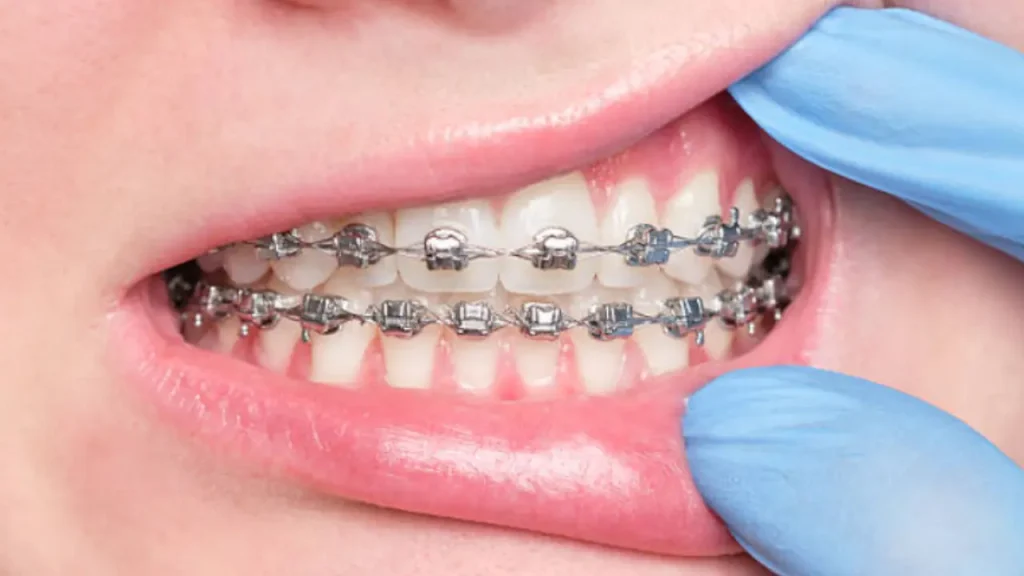
Braces move teeth by applying controlled pressure over time. The pressure encourages changes in the tissues and bone around each tooth. This process allows teeth to slowly shift into their new positions.
A power chain adds continuous elastic force between selected brackets. The orthodontist chooses where to place it based on the movement required.
For example, a person may have a space after a tooth extraction. The orthodontist can place a power chain across nearby teeth to gradually reduce that space.
The elastic loses some strength with time. For this reason, the orthodontist may replace or adjust it during regular appointments.
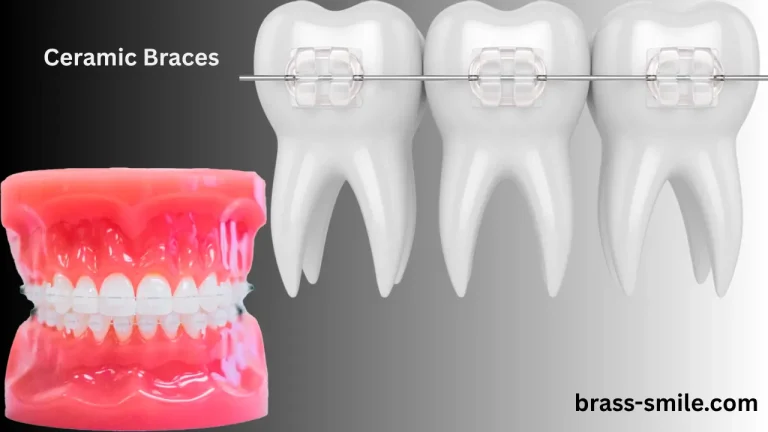
Ceramic Braces Cost, Benefits, Treatment Time And Results
Why Do Orthodontists Use Power Chains?
Orthodontic treatment involves more than making teeth appear straight. The orthodontist must also manage spaces, tooth angles, bite alignment, and the relationship between the upper and lower teeth.
Power chain braces can provide extra control during these movements. Their most recognized use involves bringing teeth closer together when unwanted spaces exist.
They may also help maintain contact between teeth after a gap closes. However, every patient has a different treatment plan, so not everyone with braces needs a power chain.
Power Chains for Closing Gaps
Closing spaces is one of the main reasons orthodontists use power chains. Gaps can occur naturally or develop after a tooth extraction.
A power chain stretches between selected brackets and creates tension. This tension encourages the teeth to move closer together over time.
Large spaces do not usually disappear after one appointment. Teeth must move at a controlled rate to protect the roots, gums, and supporting bone.
The exact amount of time needed depends on the size of the gap, tooth position, age, and individual response to orthodontic treatment.
Braces Colors For Girls, Boys, Skin Tone, Eyes And Teeth
Different Types of Power Chains
Power chains can have different distances between their elastic loops. An orthodontist selects the design according to the required tooth movement.
A closed power chain has little or no visible space between its rings. Short and long power chains provide greater distances between the connected loops.
| Power Chain Type | General Design | Common Purpose |
|---|---|---|
| Closed | Rings placed close together | Strong control over spacing |
| Short | Small distance between rings | Moderate tooth movement |
| Long | Wider distance between rings | Movement across wider areas |
Patients normally do not need to choose the chain type themselves. The orthodontist selects the correct option based on the treatment plan.
Do Power Chains Hurt?
You may notice pressure or tenderness after your orthodontist places or replaces power chain braces. This feeling occurs because the elastic starts applying force to the teeth.
The discomfort is often strongest during the first few days. Teeth may feel sensitive when biting or chewing harder foods during this period.
Soft foods can make eating more comfortable. Yogurt, eggs, soup, pasta, mashed potatoes, and soft rice are easier choices when the teeth feel tender.
Patients should contact their orthodontist if they experience severe pain, unusual swelling, injury, or discomfort that does not improve.
How Long Do You Need to Wear a Power Chain?
There is no single treatment period for every patient. Some people may use a power chain for several weeks, while others may need it for several months.
The treatment period depends on how much movement is required. Larger gaps and more complex alignment problems may take longer to correct.
Your orthodontist will monitor the movement during appointments. They can replace the chain, change its position, or stop using it when the desired result has been achieved.
How Fast Do Power Chains Move Teeth?
Patients often want to know how quickly their gaps will disappear. Tooth movement, however, happens gradually and differs from person to person.
Power chain braces apply controlled force rather than moving teeth instantly. The orthodontist must balance effective movement with the health of the teeth and surrounding tissues.
You might notice changes within several weeks, but complete space closure can take much longer. The initial size of the gap and the treatment plan play major roles in the timeline.
Trying to speed up treatment without professional supervision can damage teeth and gums. Patients should never adjust or replace orthodontic chains themselves.
Power Chain Braces vs Regular Braces
Regular braces use brackets and archwires to guide teeth into proper positions. Small elastic ties may hold the wire inside each bracket.
A power chain connects multiple brackets with one continuous elastic system. This design provides an additional force that can help manage spaces between teeth.
| Regular Elastic Ties | Power Chains |
|---|---|
| Usually placed around individual brackets | Connect several brackets |
| Help hold the archwire | Can apply additional pressure |
| Mainly support the braces system | Often help close spaces |
| Usually individual elastic rings | Connected elastic rings |
Both can appear during the same orthodontic treatment. Power chains simply perform a more specialized role when additional tooth movement is needed.
Power Chain Braces Colors
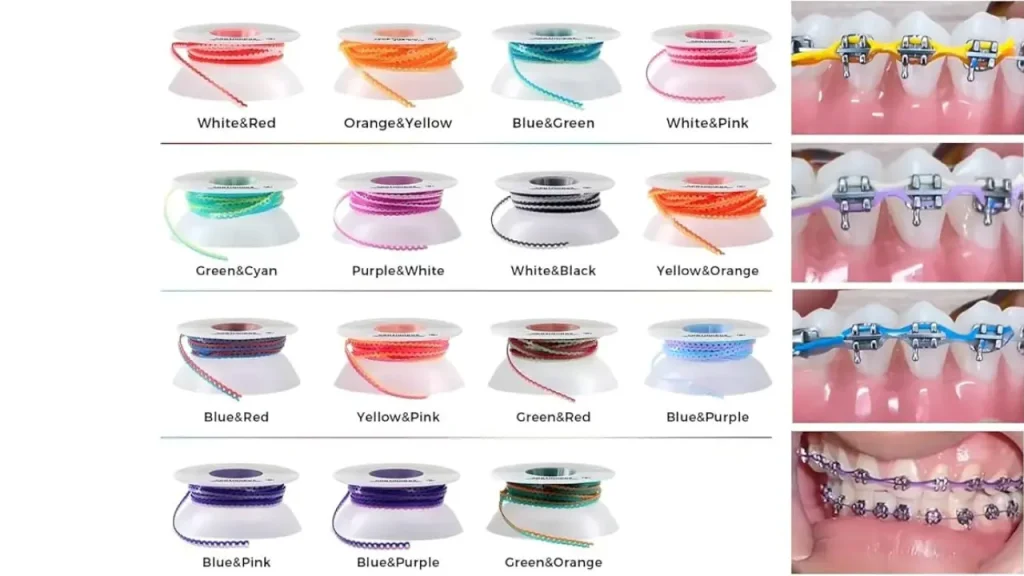
Power chains are available in many colors. Depending on the orthodontic clinic, patients may choose clear, silver, blue, purple, pink, black, or other shades.
Clear chains offer a less noticeable appearance, but some clear elastic materials may become stained by strongly colored foods and drinks.
Darker shades can sometimes hide discoloration better. Color choice usually affects appearance rather than the main orthodontic function.
How Much Do Power Chains Cost?
The price of orthodontic care varies greatly by country, clinic, treatment complexity, and insurance coverage. In many cases, power chains form part of the overall braces treatment rather than carrying a large separate charge.
| Cost Factor | How It Can Affect Price |
|---|---|
| Location | Orthodontic prices vary by region |
| Case complexity | Complex movement may require longer care |
| Treatment length | Longer treatment can increase total costs |
| Type of braces | Different braces systems have different prices |
| Insurance | Some plans cover part of orthodontic treatment |
| Clinic policy | Power-chain adjustments may be included |
Patients should ask their orthodontic office whether power-chain placement and replacement are included in their treatment fee.
Eating With a Power Chain
You can normally eat many regular foods while wearing power chain braces, but you should follow the same food rules that apply to traditional braces.
Hard and sticky foods can damage brackets, wires, or elastic chains. Avoid biting directly into very hard foods that could place unnecessary pressure on the orthodontic appliances.
Cutting foods into smaller pieces can make eating easier. This approach is especially helpful during the first few days after an adjustment.
How to Keep Power Chains Clean
Good oral hygiene becomes especially important during orthodontic treatment. Food and plaque can collect around brackets, wires, and elastic chains.
Brush carefully around every bracket and along the gumline. An orthodontic or small interdental brush can help clean areas that a regular toothbrush may miss.
Flossing can take more time with braces, but it remains important. Floss threaders or other orthodontist-recommended cleaning tools can make the process easier.
Poor cleaning may increase the risk of cavities, gum inflammation, bad breath, and marks around brackets.
What Happens If a Power Chain Breaks?
A power chain can sometimes break, loosen, or come off a bracket. Hard foods, sticky foods, or normal wear may cause the problem.
Do not attempt to create a replacement chain at home. Contact your orthodontic clinic and explain what happened.
The orthodontist can tell you whether the chain needs immediate attention or whether it can wait until your next scheduled appointment.
Benefits of Power Chain Braces
The main benefit of power chain braces is their ability to apply controlled pressure across multiple teeth. This feature makes them useful for closing unwanted spaces.
They can also give orthodontists greater control over certain tooth movements. Power chains work with the existing brackets and wires, so patients usually do not need a completely different appliance.
Another advantage involves appearance. Many clinics provide several colors, allowing patients to personalize their braces during treatment.
Possible Problems and Limitations
Power chains are useful, but they require proper professional monitoring. Patients may experience temporary tenderness after placement or adjustment.
Elastic chains can also trap food around brackets. Careful brushing and flossing therefore become important throughout treatment.
Power chains gradually lose elasticity and need professional replacement. They cannot correct every orthodontic problem by themselves and must form part of a complete treatment plan.
Can Everyone With Braces Get Power Chains?
Not every braces patient needs a power chain. Orthodontists use them when a specific movement or spacing problem makes them useful.
Some patients may receive one during the middle or later stages of treatment. Others may never require one.
The decision depends on tooth position, bite, spacing, treatment goals, and the orthodontist’s clinical assessment.
How to Care for Your Teeth During Treatment
Keep your orthodontic appointments so your orthodontist can check your progress. Missing several appointments may delay adjustments and extend treatment.
Brush after meals when possible and clean carefully around brackets. Follow your orthodontist’s instructions about flossing and additional cleaning tools.
Avoid chewing ice, hard candy, and other items that may damage the braces. Report loose brackets, broken wires, or damaged chains to your orthodontic office.
Power Chains and the Final Stages of Braces
Some patients receive power chains during later stages of orthodontic care. At this point, the teeth may already look fairly straight, but small spaces can remain.
The orthodontist may use a chain to improve these spaces and refine the final tooth positions. Bite correction and other adjustments may continue at the same time.
Once active treatment ends, patients usually need retainers. Retainers help maintain the corrected positions while the tissues around the teeth adapt.
Frequently Asked Questions
Are power chains stronger than normal braces elastics?
Power chains create connected tension across several brackets. Regular elastic ties usually work around individual brackets and serve a different purpose.
How long does pain from a power chain last?
Mild tenderness often improves within a few days after an adjustment. Contact your orthodontist if pain becomes severe or continues unexpectedly.
Can power chains close large gaps?
They can help close many orthodontic spaces, but the treatment method depends on the size and cause of the gap. An orthodontist must assess the teeth before deciding on the best approach.
Can I change my power chain at home?
No. Patients should not remove, replace, or tighten orthodontic power chains themselves. Incorrect force can interfere with treatment or harm the teeth and gums.
Conclusion
Power chain braces are connected elastic loops that orthodontists use with traditional braces to control tooth movement and close unwanted spaces. They apply steady pressure across several brackets and can play an important role during different stages of orthodontic treatment.
Treatment time, discomfort, and results vary between patients. Regular orthodontic visits, good oral hygiene, and proper care of the braces can support safer and more predictable progress. Always follow the instructions given by your dentist or orthodontist because your individual treatment plan may differ.