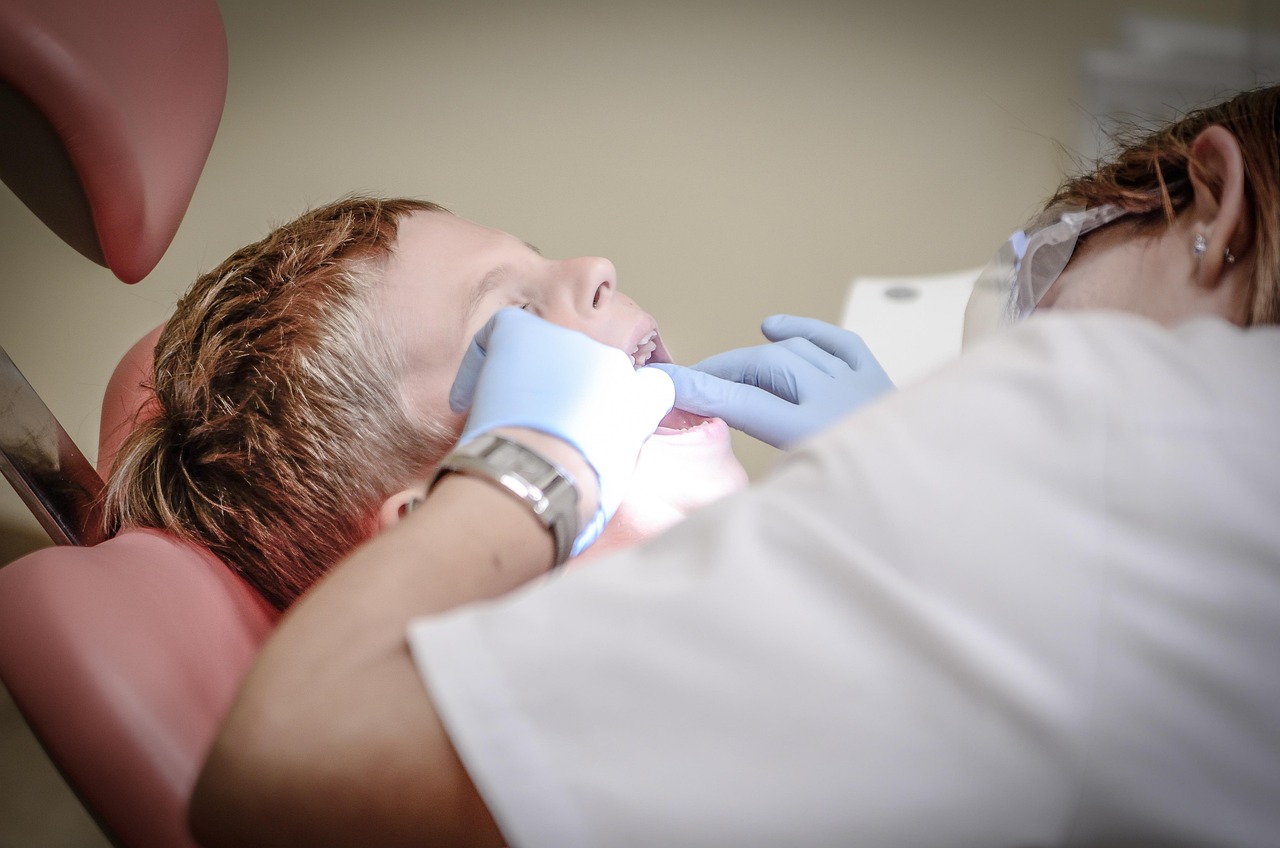
Can a Dentist Tell If You Vape?
Vaping has become increasingly common, especially among young adults who use disposable e-cigarettes and rechargeable vaping devices. However, many people wonder whether their dentist can identify vaping habits during a routine dental examination. Can a dentist tell if you vape just by looking at your teeth and gums? The short answer is yes, sometimes. Dentists may recognize certain changes in the mouth that are associated with vaping, although there is no single sign that proves someone uses an e-cigarette.
Vaping can affect oral health in several ways, including dry mouth, gum irritation, plaque accumulation, bad breath, and potentially an increased risk of tooth decay. These changes can give dentists clues about a patient’s lifestyle and possible vaping habits.
Whether someone uses a small disposable device or a larger product such as the RandM Tornado, the potential effects on oral health depend on several factors, including nicotine exposure, frequency of use, oral hygiene, and individual health conditions.
Let’s explore how dentists recognize possible vaping-related changes, what they look for during dental checkups, and whether vaping can affect your teeth permanently.
Can a Dentist Tell If You Vape?
Yes, a dentist may be able to identify signs associated with vaping during a regular dental examination. However, they cannot always determine vaping use simply by looking inside someone’s mouth.
Vaping does not produce exactly the same oral changes as traditional cigarette smoking. Cigarettes contain tobacco and produce smoke, tar, and numerous combustion-related chemicals. E-cigarettes heat a liquid to create an aerosol that users inhale.
Although vaping does not create the same tar-related staining associated with traditional cigarettes, its aerosol can still expose the mouth to nicotine, flavoring chemicals, and other substances.
Dentists may notice several possible indicators, including:
- Persistent dry mouth.
- Inflamed or irritated gums.
- Increased plaque accumulation.
- Bad breath.
- Tooth sensitivity.
- Signs of gum recession.
- Changes in oral tissues.
- Increased risk indicators for cavities.
These symptoms are not exclusive to vaping. Dehydration, medications, certain medical conditions, smoking, and poor oral hygiene can produce similar problems.
Therefore, a dentist cannot confirm vaping habits based on one symptom alone. They may ask questions about nicotine use, smoking, and vaping to understand the patient’s oral health history.
7 Signs That May Tell Your Dentist You Vape
Dentists examine more than just the visible surfaces of teeth. They also check the gums, tongue, cheeks, saliva, and other soft tissues.
Here are seven changes that may raise questions about vaping habits.
1. Dry Mouth and Reduced Saliva Production
Dry mouth, medically known as xerostomia, is one of the commonly reported oral symptoms among people who vape.
Saliva plays an important role in maintaining healthy teeth and gums. It helps wash away food particles, neutralize acids, control bacteria, and protect tooth enamel.
Some vaping ingredients, including propylene glycol, are associated with sensations of oral dryness.
When the mouth does not produce enough saliva, several problems can develop:
- Increased bacterial activity.
- Greater risk of tooth decay.
- Persistent bad breath.
- Difficulty swallowing.
- Irritation of oral tissues.
- Increased discomfort when eating.
During an examination, a dentist may notice that the mouth appears unusually dry or that saliva production is reduced.
However, dry mouth does not automatically mean someone vapes. Certain medications, dehydration, and medical conditions can also reduce saliva production.
2. Inflamed or Irritated Gums
Healthy gums are generally firm and fit closely around the teeth. Vaping may contribute to changes in gum health, including irritation and inflammation.
Some studies have identified associations between e-cigarette use and periodontal problems. However, research is still developing, and the exact long-term effects are not fully understood.
A dentist may look for:
- Red or swollen gums.
- Gum tenderness.
- Changes in gum texture.
- Plaque accumulation near the gumline.
- Signs of periodontal disease.
Nicotine can also affect blood vessels and the body’s inflammatory response. This may influence how gum tissues respond to irritation and infection.
Importantly, the absence of bleeding does not necessarily mean the gums are healthy. Nicotine exposure may alter some visible inflammatory responses.
3. Bad Breath (Halitosis)
Another possible indicator is persistent bad breath.
Vaping can contribute to unpleasant breath through several mechanisms. Reduced saliva production allows odor-producing bacteria to accumulate more easily. Some flavored e-liquids may also leave a noticeable taste or smell in the mouth.
A dentist may investigate bad breath by examining:
- The tongue.
- Gum pockets.
- Areas between teeth.
- Plaque accumulation.
- Signs of tooth decay.
- Oral dryness.
Bad breath has many possible causes, including poor oral hygiene, gum disease, certain foods, and digestive or respiratory conditions.
Therefore, it should not be treated as definitive evidence of vaping.
4. Increased Plaque and Tooth Decay
Dental plaque is a sticky layer of bacteria that naturally forms on tooth surfaces.
When plaque is not removed regularly, it can contribute to cavities and gum disease.
Vaping may influence the oral environment by exposing teeth and surrounding tissues to aerosol chemicals. Some research suggests that e-cigarette aerosols may encourage bacterial attachment and biofilm formation.
Additionally, reduced saliva production can weaken the mouth’s natural protection against tooth decay.
During a checkup, dentists may identify:
- Plaque around the gumline.
- Early enamel damage.
- Cavities.
- Areas of increased bacterial accumulation.
- Changes in gum health.
The relationship between vaping and cavities is still being investigated. Nevertheless, maintaining good oral hygiene is particularly important for people who vape.
5. Tooth Sensitivity
Tooth sensitivity occurs when teeth react to hot, cold, sweet, or acidic substances.
Some people who vape report oral discomfort and sensitivity. These symptoms may be associated with dry mouth, gum irritation, or existing dental problems.
A dentist may check whether the sensitivity is caused by:
- Enamel erosion.
- Gum recession.
- Exposed tooth roots.
- Dental cavities.
- Cracked teeth.
- Other underlying conditions.
Vaping cannot be identified through tooth sensitivity alone, but it may be relevant when evaluating a patient’s overall oral health.
6. Changes in the Tongue and Oral Tissues
Dentists also examine the tongue, cheeks, palate, and other soft tissues.
Some people who vape experience oral irritation, burning sensations, unusual taste, and changes in the appearance of their mouth.
Potential findings include:
- Tongue irritation.
- Dry or uncomfortable oral tissues.
- Unusual patches or lesions.
- Changes in the tongue’s surface.
- Irritation around the lips and mouth.
These changes have multiple possible causes. A dentist should investigate persistent or unexplained lesions rather than automatically attributing them to vaping.
7. Changes in Gum Health Over Time
Long-term dental examinations can reveal changes that develop gradually.
For example, a dentist may compare previous dental records with current findings to identify:
- Increasing gum recession.
- Changes in periodontal pocket depth.
- Bone loss around teeth.
- Repeated gum inflammation.
- Increased dental treatment needs.
These findings can help dentists understand whether a patient’s oral health is deteriorating.
Although they may raise questions about smoking or vaping, they cannot independently establish the cause.
Can a Dentist Tell If You Vape From Your Teeth?
Not necessarily.
Unlike traditional cigarette smoking, vaping does not typically produce the same heavy tar-related tooth staining.
However, nicotine exposure, oral dryness, plaque accumulation, and other changes may affect dental health.
Some people who vape may have visibly healthy teeth, especially if they maintain good oral hygiene and have no obvious dental problems.
Others may develop noticeable gum irritation, cavities, or persistent dry mouth.
The appearance of someone’s teeth depends on several factors:
|
Factor |
Possible Effect on Oral Health |
|---|---|
|
Nicotine exposure |
May influence gum health and circulation |
|
Vaping frequency |
Can increase exposure to aerosol ingredients |
|
Oral hygiene |
Influences plaque and cavity development |
|
Saliva production |
Helps protect teeth against decay |
|
E-liquid ingredients |
May contribute to oral irritation |
|
Diet |
Sugary and acidic foods can increase cavity risk |
This explains why two people who use similar vaping devices may have different dental examination results.
Does RandM Tornado Affect Your Teeth?
RandM Tornado is a recognizable name in the disposable vape category. Like other e-cigarettes, devices in this category heat e-liquid to produce an inhalable aerosol.
Different versions may offer different puff estimates, flavors, battery capacities, and nicotine strengths, depending on the specific model and market.
However, the number of advertised puffs does not determine whether a device is safe for your teeth.
For example, someone using a RandM Tornado regularly may experience oral dryness, irritation, or other symptoms associated with vaping. The potential effects depend on factors such as nicotine concentration, frequency of use, and individual sensitivity.
There are several oral health considerations:
Nicotine exposure: If the device contains nicotine, exposure may influence gum circulation and oral tissue responses.
Flavored e-liquid: Flavoring ingredients and other aerosol constituents can expose oral tissues to substances whose long-term effects are still being investigated.
Dry mouth: Some people experience reduced oral comfort and dryness when vaping.
Plaque and cavities: Changes in saliva and the oral environment may contribute to conditions that increase the risk of dental problems.
It is important to understand that RandM Tornado is not the only vaping product associated with these concerns. The potential oral health effects are relevant to e-cigarettes generally.
Can a Dentist Tell If You Vape Once?
Usually, a dentist cannot reliably identify a single vaping session during an ordinary dental examination.
One-time exposure may cause temporary symptoms such as:
- Dryness in the mouth.
- An unusual taste.
- Mild throat irritation.
- Temporary oral discomfort.
However, these symptoms are not specific to vaping.
Dentists generally identify oral health conditions rather than individual vaping sessions.
For example, they might notice persistent dry mouth or gum inflammation, but these findings cannot establish when or how frequently someone used a vape.
There is currently no routine dental examination that can definitively prove someone has vaped once.
Can Dentists Tell If You Vape Occasionally or Every Day?
Dentists may notice more persistent oral changes in people who vape frequently, but they cannot accurately determine vaping frequency just by examining their teeth.
Regular exposure may contribute to repeated dryness, irritation, and changes in gum health.
However, several other factors influence these symptoms.
A person who vapes occasionally may experience noticeable dryness, while someone who vapes regularly might have few visible symptoms.
Dentists may ask questions about:
- How frequently you vape.
- Whether your device contains nicotine.
- How long you have been vaping.
- Whether you also smoke cigarettes.
- Whether you experience dry mouth or gum irritation.
Answering these questions honestly helps the dental professional provide appropriate advice.
Can Vaping Damage Your Teeth Permanently?
Vaping may contribute to dental problems that can have long-term consequences.
However, not every oral effect is permanent.
For example, mild oral dryness and irritation may improve after stopping vaping, depending on the underlying cause.
Other conditions require professional treatment.
Potentially reversible problems include:
- Temporary dry mouth.
- Mild oral irritation.
- Unpleasant taste.
- Some forms of minor gum inflammation.
Problems that may require dental treatment include:
- Dental cavities.
- Significant gum recession.
- Periodontal disease.
- Enamel damage.
- Advanced tooth decay.
Once tooth enamel is lost, the body cannot naturally rebuild the original enamel structure. Similarly, significant gum recession does not usually reverse on its own.
This is why early dental examinations and preventive care are important.
Research into the long-term effects of vaping on oral health is ongoing, so the full extent of permanent damage is not yet established.
What Happens If You Vape Before a Dental Appointment?
Some people wonder whether vaping immediately before visiting a dentist will make their habits easier to identify.
There is no reliable rule that vaping immediately before an appointment will create a specific visible sign.
However, recent vaping may contribute to temporary dryness, an unusual taste, or oral irritation.
It is also important to understand that trying to hide vaping habits does not help your dental treatment.
Your dentist needs accurate information about nicotine exposure and vaping habits to assess your oral health properly.
If you vape, mentioning it during your appointment allows the dentist to consider relevant risk factors and recommend appropriate preventive care.
How Can You Protect Your Teeth If You Vape?
The best way to reduce vaping-related oral exposure is to stop vaping. However, maintaining good oral hygiene is also important.
Here are practical steps that can support healthier teeth and gums.
1. Brush Twice Daily
Brush your teeth twice a day using fluoride toothpaste.
Fluoride helps strengthen tooth enamel and protects against cavities.
Use a soft-bristled toothbrush and pay attention to the gumline.
2. Floss Every Day
Brushing cannot effectively clean every space between your teeth.
Use dental floss or an interdental cleaner daily to remove food particles and plaque from difficult-to-reach areas.
3. Drink Enough Water
Water helps maintain hydration and supports normal saliva production.
If you experience dry mouth, drinking water regularly may provide temporary relief.
However, hydration does not eliminate the potential risks associated with vaping.
4. Limit Sugary and Acidic Foods
Frequent consumption of sugary foods and acidic beverages can increase the risk of enamel damage and cavities.
Try to limit sugary drinks, sweets, and frequent snacking.
5. Visit Your Dentist Regularly
Regular dental examinations help identify cavities, gum problems, and oral tissue changes before they become more serious.
Your dentist may recommend more frequent appointments depending on your oral health condition.
6. Consider Quitting Nicotine
If your vape contains nicotine, reducing exposure and eventually stopping can help reduce nicotine-related risks.
A dentist, doctor, or pharmacist can discuss appropriate quitting support.
Should You Tell Your Dentist That You Vape?
Yes. Being honest with your dentist is important.
Dental professionals routinely ask patients about smoking, nicotine use, medications, and other lifestyle factors because these details can influence treatment decisions.
For example, vaping may be relevant when evaluating gum health, planning dental procedures, or monitoring healing after oral surgery.
Your dentist is not there to judge you. Their responsibility is to understand your health and provide suitable treatment.
Sharing accurate information can help them:
- Identify possible vaping-related oral problems.
- Monitor gum health.
- Recognize signs of tooth decay.
- Recommend appropriate oral hygiene practices.
- Provide support for reducing or stopping nicotine use.
If you are concerned about privacy, you can ask the dental practice how your health information is recorded and protected.
Frequently Asked Questions (FAQs)
1. Can a dentist tell if you vape during a regular checkup?
Yes, a dentist may notice signs associated with vaping, such as dry mouth, gum irritation, plaque accumulation, and oral tissue changes. However, these symptoms are not exclusive to vaping, so a dental examination cannot always confirm whether someone uses e-cigarettes.
2. Can a dentist tell if you vape by looking at your gums?
A dentist may notice gum inflammation, irritation, recession, or other periodontal changes that can occur among people who vape. However, similar conditions can develop from poor oral hygiene, smoking, and other health factors.
3. Can vaping make your teeth yellow?
Vaping does not produce the same tar-related staining associated with traditional cigarettes. However, nicotine exposure and other oral health factors may contribute to tooth discoloration. Research into the long-term staining effects of vaping is ongoing.
4. Can a dentist tell if you vape without asking?
Sometimes, a dentist may suspect vaping because of changes in the mouth. However, there is no single physical sign that reliably confirms vaping. They may need to ask about your habits to understand the possible cause.
5. Can nicotine-free vaping affect your teeth?
Yes. Nicotine-free e-cigarettes are not necessarily harmless to oral health. Their aerosols can contain propylene glycol, vegetable glycerin, flavoring substances, and other chemicals that may affect oral tissues.
6. How long does vaping stay detectable in your mouth?
There is no standard dental test that determines how long vaping remains detectable in the mouth. Temporary symptoms, such as dryness or an unusual taste, may disappear relatively quickly, while longer-term oral health changes may persist.
Nicotine and its metabolites can be detected through specific laboratory tests, but these are different from ordinary dental examinations.
7. Can vaping cause gum disease?
Vaping may be associated with gum inflammation and periodontal problems. However, research is still developing, and scientists continue to investigate the relationship between e-cigarette exposure and long-term gum disease.
8. Will my dentist tell my parents if I vape?
Confidentiality rules depend on your age, location, and the circumstances of your dental care. Adults generally have privacy protections, while information involving minors may be handled differently. You can ask your dental practice about its confidentiality policy before discussing personal health information.
9. Can a dentist tell if you use a RandM Tornado?
A dentist cannot identify a specific vape brand simply by examining your teeth or gums. They may notice oral changes associated with vaping, but these signs cannot establish whether someone uses a RandM Tornado or another e-cigarette.
10. Will my teeth return to normal after quitting vaping?
Some symptoms, including temporary dryness and irritation, may improve after stopping. However, established cavities, enamel loss, and significant gum recession may require professional dental treatment.
Final Thoughts: Can a Dentist Tell If You Vape?
Yes, dentists can sometimes recognize signs that may be associated with vaping, but they cannot always confirm vaping habits through a visual examination alone.
Dry mouth, gum irritation, bad breath, plaque accumulation, and tooth decay are among the possible oral health concerns associated with e-cigarette use.
Whether someone uses a disposable device, a rechargeable vape, or a product such as RandM Tornado, the potential effects depend on nicotine exposure, frequency of use, individual health, and oral hygiene.
The most important thing is to maintain good dental habits and attend regular checkups. If you vape, be honest with your dentist so they can assess your oral health accurately and recommend suitable care.
You may also like: What to look for in a Dental Clinic in Juhu
Although research into the long-term effects of vaping is continuing, avoiding nicotine and vaping altogether is the best way to reduce exposure to vaping-related oral health risks.