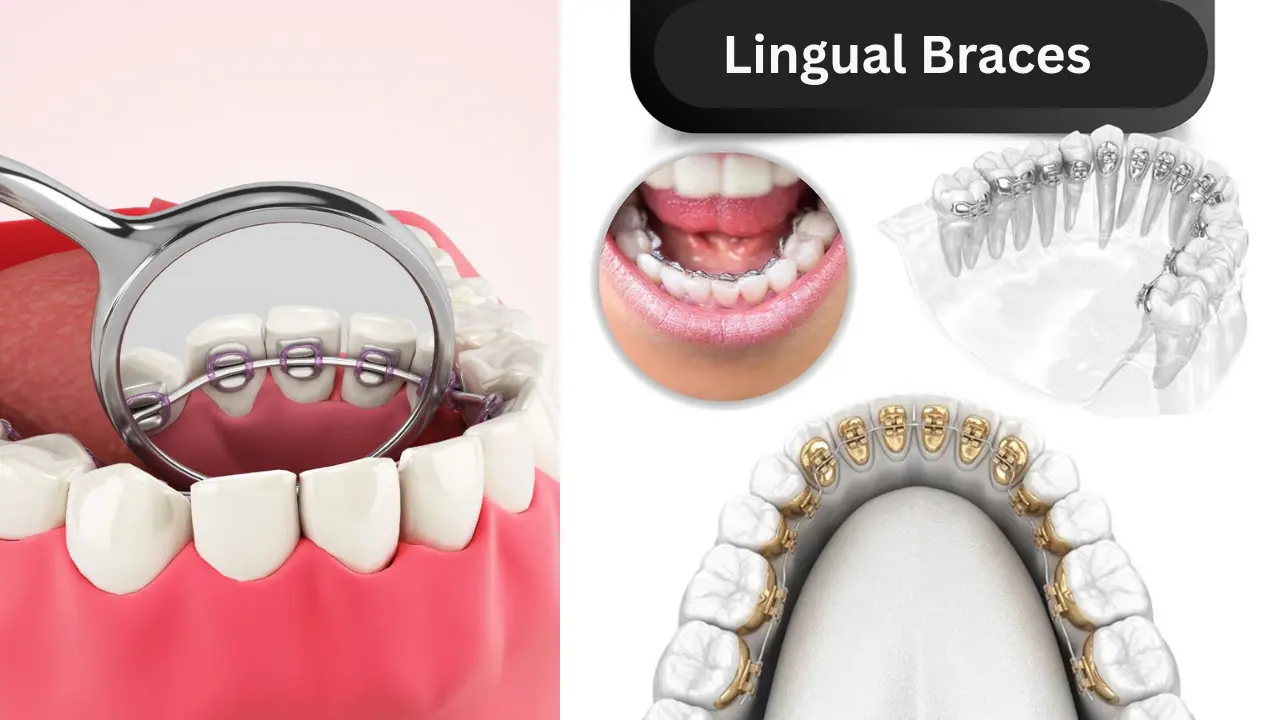
Lingual Braces Cost, Benefits, Types, Celebrities
Lingual braces are a discreet orthodontic treatment designed to straighten teeth while staying hidden from normal view. Unlike traditional metal braces that sit on the front of the teeth, this system attaches brackets and wires to the back surface of the teeth. This placement makes the treatment popular among adults and teenagers who want a less noticeable way to improve their smile.
Orthodontists can use this treatment to correct several dental alignment problems, including crowded teeth, gaps, crooked teeth, and some bite issues. The treatment works with continuous gentle pressure that gradually moves teeth into better positions. While the braces remain hidden, patients still receive many of the benefits associated with fixed orthodontic treatment.
What are lingual braces
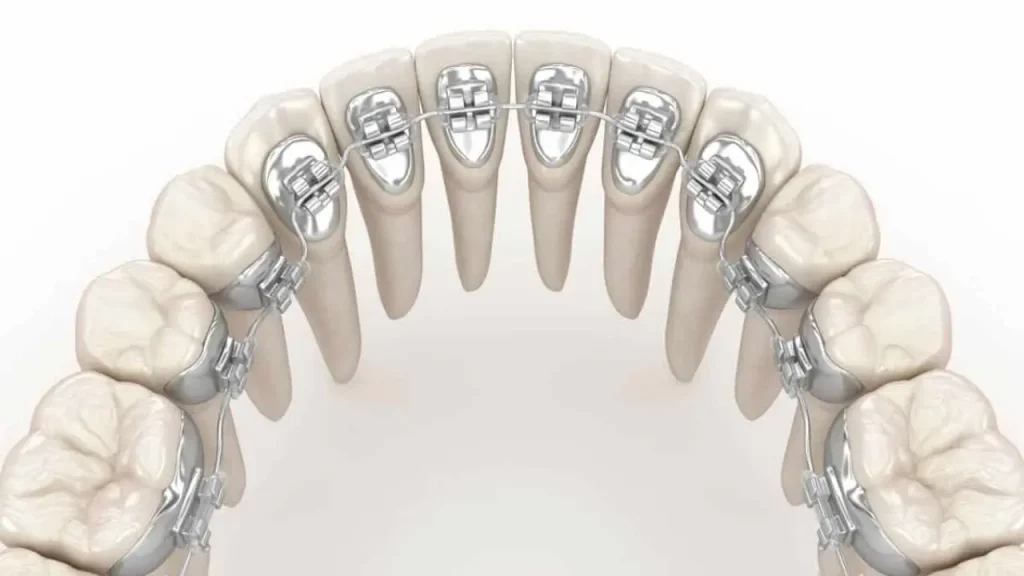
Lingual braces are a type of orthodontic treatment used to straighten crooked or misaligned teeth. Unlike traditional braces, they are attached to the back side of the teeth, which makes them almost invisible when you smile or talk. They use small brackets and wires to apply gentle pressure and slowly move teeth into the correct position.
Lingual braces can help treat crowded teeth, gaps, and certain bite problems. They are especially popular among adults and teenagers who want a discreet alternative to traditional metal braces while improving their smile.
How Lingual Braces Work
Lingual braces use small brackets that an orthodontist bonds to the inner side of each tooth. A thin orthodontic wire connects these brackets and creates controlled pressure that slowly moves the teeth. The orthodontist adjusts the wire during regular appointments as the treatment progresses.
Because every patient’s teeth and bite are different, orthodontists often customize the brackets and treatment plan. Digital scans or dental impressions may help create a system that fits the shape of the patient’s teeth.
Treatment time varies depending on the severity of the dental problem. Some patients may complete treatment within a year, while more complicated cases can take two years or longer.
Brasssmile Com Purpose, Safety, And Access
Main Benefits of Hidden Braces
One of the biggest advantages of lingual braces is their appearance. Since the brackets remain behind the teeth, most people cannot see them when the patient talks, smiles, or takes photos.
They can also treat many orthodontic problems that clear removable aligners may not always handle easily. Fixed brackets continue working throughout the day because patients cannot remove them.
This treatment can be especially attractive to professionals, performers, speakers, and anyone who feels uncomfortable wearing visible metal braces. Patients can continue their daily activities without showing obvious orthodontic hardware.
Lingual Braces Cost
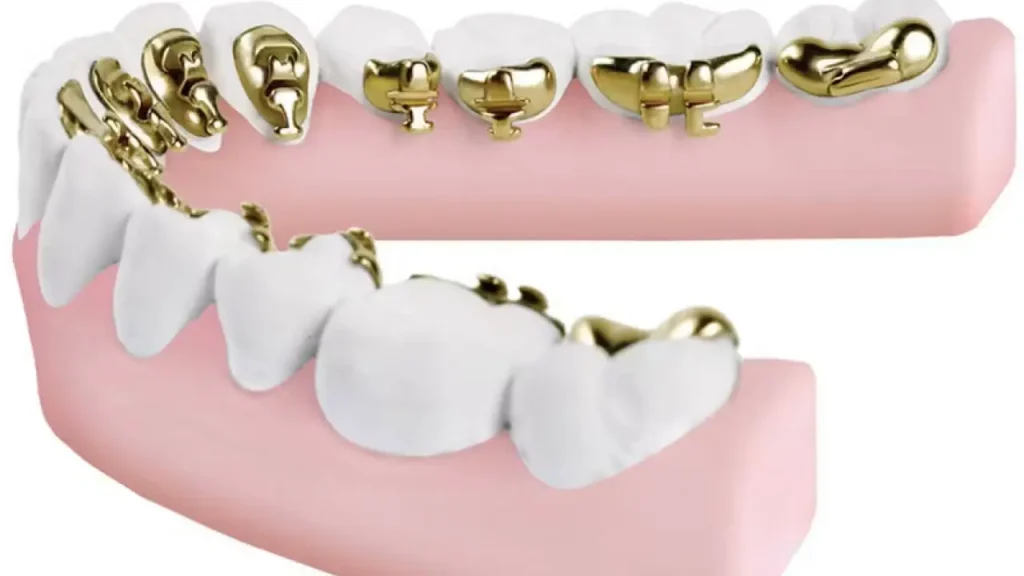
Lingual braces cost can be higher than the price of traditional braces because the treatment often requires customized brackets and more specialized orthodontic work. The final cost depends on factors such as the complexity of tooth movement, treatment length, orthodontist experience, location, and the specific system used.
Patients should request a complete quotation from their orthodontist before starting treatment. The price may include consultations, scans, braces, adjustment visits, and retainers, but every dental clinic has its own pricing structure.
How Much Do Braces Cost Metal, Ceramic, And Prices
| Cost Factor | Estimated Cost (USD) |
|---|---|
| Full Treatment | $5,000–$13,000 |
| Single Arch | $3,000–$7,000 |
| Initial Consultation | $100–$300 |
| Dental X-Rays & Scans | $100–$500 |
| Retainers After Treatment | $200–$600 |
| Replacement or Repairs | Varies by case |
Celebrities With Lingual Braces

People often search for celebrities with lingual braces because hidden orthodontics can be useful for public figures who regularly appear on television, at events, or in professional photographs. Discreet orthodontic options allow actors, presenters, musicians, and other public personalities to work on their smile without wearing highly visible brackets.
However, confirmed information about a celebrity’s exact orthodontic treatment is not always publicly available. Photos alone cannot reliably prove whether someone is wearing braces behind their teeth. Patients should therefore avoid choosing a treatment based only on celebrity claims found online.
The popularity of discreet dental treatment among public figures has still helped increase interest in less visible orthodontic options.
Lingual Braces Advantages and Disadvantages
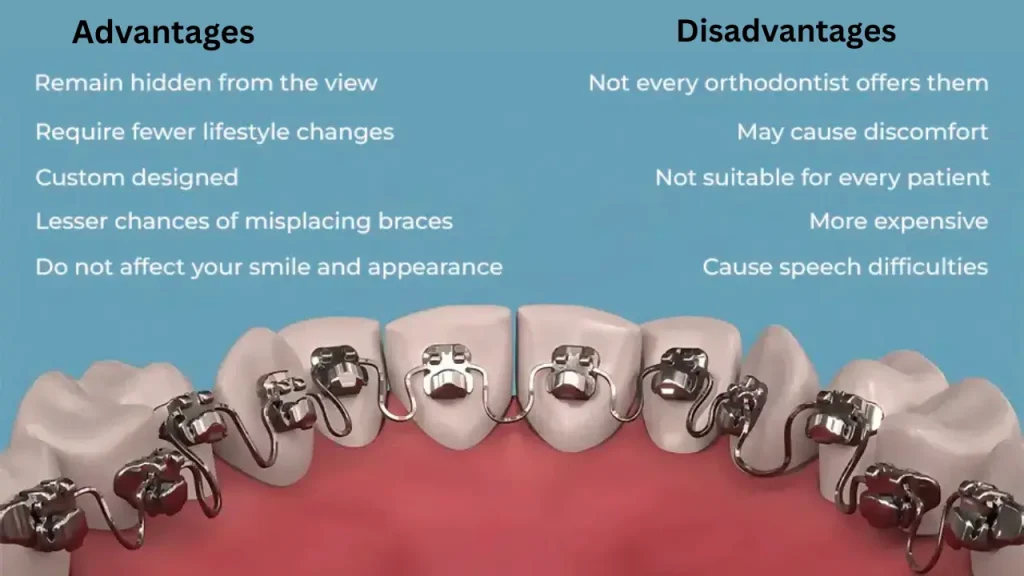
Lingual braces offer a discreet way to straighten teeth because orthodontists place the brackets behind the teeth. They can treat many alignment and bite problems, but they may cost more and require extra time to get used to.
The main advantage is their hidden appearance, which makes them attractive to people who want discreet orthodontic treatment. However, patients should consider the higher cost, cleaning needs, and initial discomfort before choosing this option.
Lingual Braces vs Invisalign
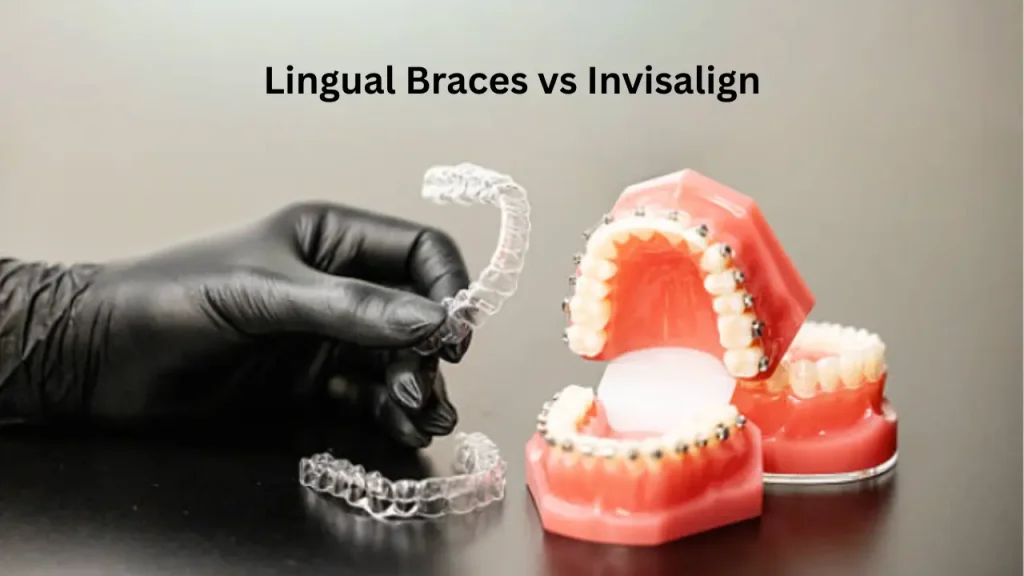
The comparison between lingual braces vs Invisalign usually comes down to appearance, convenience, dental condition, and personal preference. Both treatments aim to straighten teeth while offering a less noticeable alternative to traditional metal braces.
Invisalign uses removable clear plastic aligners. Patients normally remove the trays while eating and brushing their teeth. Hidden braces stay attached to the teeth throughout treatment, so patients do not need to remember to wear removable aligners for the recommended number of hours.
Clear aligners may feel smoother because they do not contain metal brackets. However, fixed braces can provide orthodontists with precise control over certain tooth movements. The better choice depends on the patient’s bite, tooth position, lifestyle, and treatment goals.
Are They Comfortable?
Patients often need an adjustment period after receiving lingual braces because the brackets sit close to the tongue. During the first few days, some people may notice tongue irritation, mild soreness, or changes in speech.
These effects usually become easier to manage as the mouth adjusts. Orthodontic wax can help reduce irritation caused by brackets, while speaking regularly can help patients adapt to temporary pronunciation changes.
The teeth can also feel sensitive after adjustment appointments. This discomfort usually results from the pressure required to move the teeth and commonly improves within a few days.
Eating During Treatment
Patients may need to change some eating habits while wearing fixed orthodontic appliances. Very hard, sticky, or chewy foods can damage brackets or wires and may make cleaning more difficult.
Foods such as soft vegetables, pasta, yogurt, rice, eggs, and softer meats can be easier to manage, especially during the first few days after an adjustment.
Cutting firm foods into smaller pieces can also protect the braces. Patients should follow the specific food advice provided by their orthodontist throughout treatment.
Cleaning and Oral Hygiene
Good oral hygiene is extremely important because brackets placed behind the teeth can create areas where food particles and plaque collect. Patients should brush carefully around the brackets, wires, gumline, and back surfaces of the teeth.
An orthodontic toothbrush, interdental brush, or water flosser may make cleaning easier. Regular dental examinations and professional cleanings can also help reduce the risk of tooth decay and gum problems.
Poor cleaning habits may cause plaque buildup, bad breath, swollen gums, or enamel damage. Patients should therefore follow a consistent brushing and flossing routine every day.
Who Is a Good Candidate?
Many teenagers and adults may qualify for lingual braces, but they are not suitable for every patient. An orthodontist needs to examine tooth alignment, jaw position, gum health, bite pattern, and available space before recommending treatment.
People who strongly prefer an almost invisible fixed treatment may find this option attractive. It may also suit patients who do not want to manage removable trays every day.
Certain severe bite conditions or dental problems may require another orthodontic approach. A full examination provides the safest way to determine which treatment can produce the best result.
Treatment and Regular Appointments
Patients normally attend regular orthodontic appointments so the orthodontist can monitor tooth movement and make necessary adjustments. Missing appointments may slow treatment because wires and brackets need scheduled changes.
Patients should also contact their orthodontist if a bracket becomes loose or a wire causes unusual discomfort. Repairing damaged orthodontic components quickly can help keep treatment on schedule.
After active treatment finishes, most patients need a retainer. Retainers help maintain the new tooth positions while the surrounding tissues adjust.
Final Thoughts
Lingual braces provide a discreet way to straighten teeth without placing visible brackets on the front of the smile. They can correct many common alignment problems while giving patients the security of a fixed orthodontic system.
The treatment can cost more and may require an adjustment period, especially because the brackets sit close to the tongue. However, people who value appearance and want a hidden orthodontic option may find it worthwhile. A consultation with a qualified orthodontist remains the best way to compare treatment options, understand expected costs, and choose the right solution for individual dental needs.