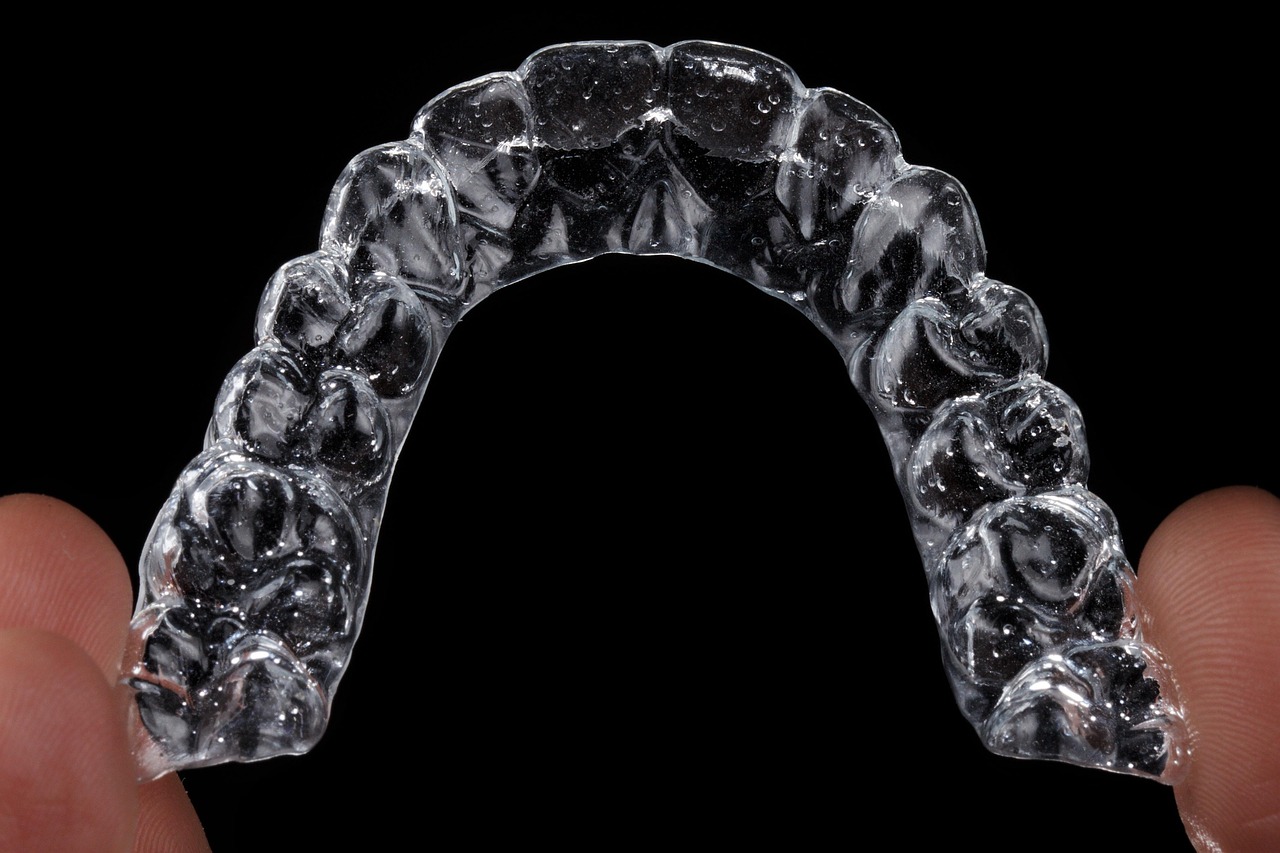
Clear Aligners: How They Straighten Teeth
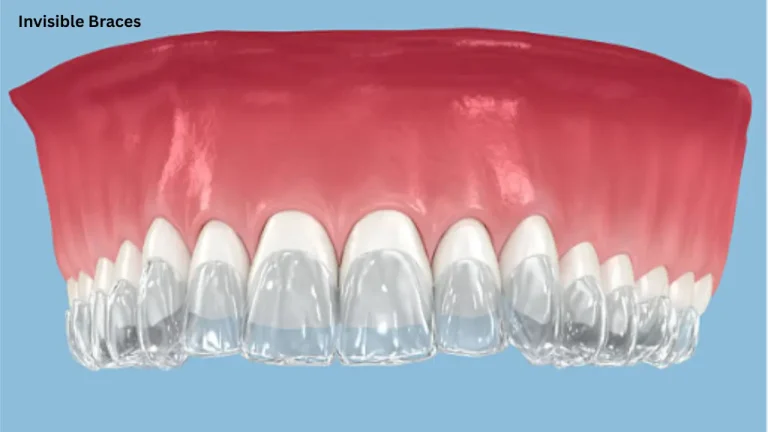
Clear aligners are plastic trays designed to straighten gap teeth, crowded or spaced teeth. This treatment makes use of a series of custom-made trays that gradually move your teeth into the desired position. Over the course of treatment, you’ll wear a set of trays. Each subsequent tray makes minor adjustments to further align your teeth. The end result is a straighter, more confident smile that reflects your treatment plan.
This guide walks you through what to expect from a clear aligner treatment experience.
First 24 hours of Clear Aligners
Clear aligners can leave your teeth feeling uncomfortably tight, your tongue poking at the trays and a strange sensation on your speech. However, these sensations tend to diminish as you become accustomed to the aligners. Day one is an adjustment period; however, these effects tend to be temporary and disappear in the following days.
Clear Aligners Before and After
You might be surprised to learn that dramatic improvements occur gradually over the course of your treatment.
- First 4-6 Weeks. You might begin to feel changes before seeing any dramatic improvement.
- Months 2-4. Some teeth will begin to close gaps and rotate.
- Months 5-9. More dramatic changes begin to appear in photos and daily life.
- Final Months. Final adjustments are made to ensure your teeth are properly aligned.
Prior to beginning treatment, your 3D treatment preview showcases how your teeth are expected to move and what your smile could look like after treatment. Every smile is unique, and so is your treatment timeline. That is exactly what you can ask your dentist for!
Have you wondered what makes the gradual improvement making clear aligners move your teeth? Let us understand.
How do Clear Aligners move my teeth? A beginner’s guide
Your teeth are held in place by the jawbone. As such, your teeth can be moved by applying gradual, consistent forces. Each individual tray exerts gentle pressure and encourages your teeth to shift into place. Because aligners only make minor adjustments, the gradual nature of your treatment becomes apparent.
As such, it is essential to wear your trays for the recommended amount of time. This allows the trays to exert the constant pressure needed to move your teeth.
Sometimes, extra guidance is required to encourage specific rotations or shifts. This is where attachments come in handy.
Clear aligners attachments: what are they and why are they used?
Attachments are small bumps placed on your teeth by your dentist. They assist in guiding your aligners to make specific rotations or shifts that your teeth might need.
Attachments are tooth-colored to match the shade of your teeth; however, they can sometimes be seen on close inspection. When your treatment is complete, your dentist will remove any attachments and polish your teeth.
While clear aligners are designed to be “not so visible“, some people worry about whether they can be seen during day-to-day life. Let’s explore this concern.
Are Clear Aligners visible?
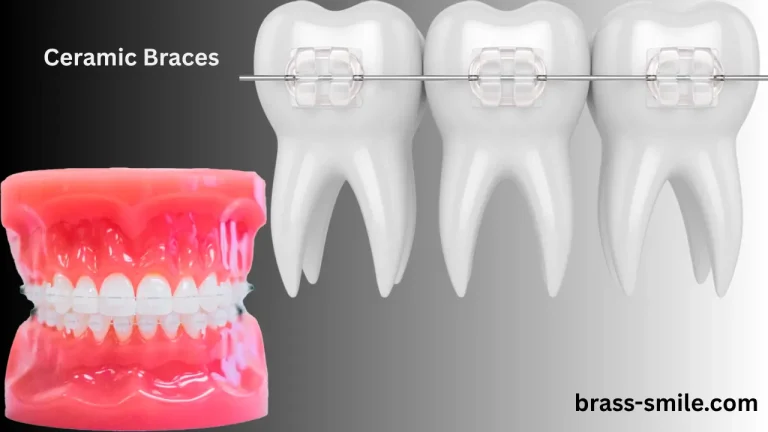
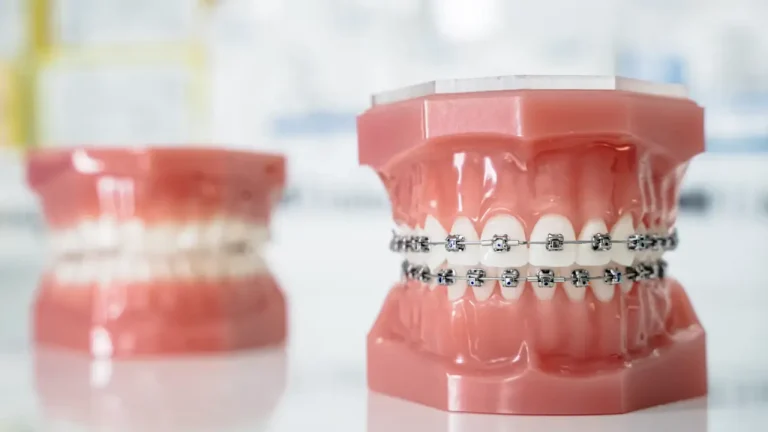
Clear aligners offer a less noticeable alternative to traditional metal braces; however, they are not completely invisible. The trays can sometimes reflect light, and the small attachments on your teeth can occasionally be seen. In everyday life, they are much less likely to be seen during day-to-day activities like speaking or video calls.
The visibility of your aligners is subjective and varies from person to person. With this concern addressed, let’s explore some other common concerns about clear aligners.
Myths about Clear Aligners Busted
- “They’re only for mild cases“: Clear aligners are effective for a wide range of cases, including some severe cases. Speak to your dentist to review your treatment needs
- “They’re only for teens“: Clear aligners are appropriate for many adults
- “I have to give up my favorite foods“: Since you remove aligners before eating, you can continue to enjoy your favorite treats
- “My teeth will shift back“: Teeth tend to shift; however, this can be prevented by wearing your retainer as recommended by your dentist
Now that you’ve learned the truth about the first few myths, you’re probably curious to know how clear aligners compare to other options. Clear aligners, veneers, and retainers are all different, and it’s always good to know your options.
Clear aligners vs veneers vs retainers: what’s the difference?
All three options are viable options for improving your smile; however, they have different uses.
|
Option |
What it does |
What to know |
|---|---|---|
|
Clear aligners |
Move your natural teeth into place. |
Keep your own tooth structure. |
|
Veneers |
Cover the front of teeth to change their look |
Change appearance, not position. |
|
Retainers |
Hold teeth where they are. |
Worn after treatment to keep results. |
Notes:
- It is not uncommon for people to pursue clear aligners to straighten their teeth, then consider other options like veneers if they want to alter the shape or color of their teeth.
- One reason why retainers are particularly important is because they help ensure that your hard work is not in vain
Here is a useful checklist that can help you find the right treatment for your needs.
Clear Aligners Checklist: What to Ask for in your Treatment
Here’s a useful checklist to consider when speaking to a dentist about clear aligners:
- 3D Smile Preview: The dentist will show you a 3D preview of what your smile may look like after treatment
- Dentist-Created Treatment Plan: You will review a treatment plan created by the dentist
- Custom-Made Clear Aligners: The clear aligners are made specifically for your mouth
- Timeline and Treatment Schedule: You will be provided with a timeline and a treatment schedule
- Travel and Video Support: The dentist offers support for communication and travel requirements
- Retainer Treatment Following Aligners: A retainer treatment is recommended after aligners
- Transparent Cost and Payment Options: You are provided with a transparent cost breakdown and payment options
Make sure that you take these things into consideration and ask your dentist if they are an appropriate choice for your treatment needs.
Speaking of treatment options, here is what to say when speaking to a dentist about clear aligners.
Clear Aligners Consultation Script: What to Ask
If you are unsure how to begin the conversation, you can ask your dentist,
“I’m interested in clear aligners, could you give me a 3D plan of my smile, explain how long treatment may take and what my options are?”
If you are living abroad, you can begin with a video consultation and review your treatment schedule in accordance with your travel to India. Simply say,
“I’d like to begin with a video consultation”.
This script will allow you to review the likely outcome of treatment and make an informed decision. There are different options available in India.
FAQs about clear aligners
Can I whiten my teeth with clear aligners?
Depending on your requirements, your dentist may recommend teeth whitening prior to, or following aligner treatment
Can I get clear aligners if I have crowns or fillings?
Depending on the condition of your teeth and existing dental work, your dentist may be able to provide you with clear aligners. All dental work will be reviewed prior to beginning treatment.
How long do I need to wear retainers after clear aligners?
The recommended amount of time wearing retainers varies; however, in most cases, retainers are worn for the majority of the time outside your mouth. Your dentist will provide you with specific instructions regarding your retainer.
Can I use aligners if I have braces?
If you currently have braces, it is not possible to use clear aligners until your braces have been removed. However, your dentist will guide you through the appropriate sequence to achieve the best results.
What if I need orthodontic treatment following clear aligners?
In some cases, more complex orthodontic treatment may be necessary to achieve the desired results. Your dentist will carefully evaluate your treatment options and assist you in making an informed decision.
Ready to Explore Clear Aligners?
Clear Aligners provide a convenient alternative to metal braces by gradually straightening your teeth using a series of trays that are custom fitted to your smile. Learning more about how they work, what to expect during treatment as well as after the trays have been removed can help you know what to expect.
Since each smile is unique, it is best to talk to your dentist about your teeth, the available plans as well as the outcomes you desire before making a choice. A wise starting point is a simple discussion about whether clear aligners are a suitable option for you.